Are you making assumptions about Gen Z (or other generations, for that matter) that could be holding your team back? Kevin sits down with Tim Elmore to discuss how leaders can better understand, connect with, and develop the newest generation in the workforce. Drawing from his research, Tim challenges leaders to move beyond stereotypes and recognize the fresh perspectives, creativity, and technological insights younger employees bring to the workplace. Kevin and Tim talk about why leaders need to listen more than lecture, how curiosity can replace judgment, and why mentoring is more effective than simply managing. Tim shares his practical ALEG framework—Ask, Listen, Empathize, and Guide—to help leaders give meaningful feedback, build trust, and bring out the best in their people, regardless of generation.
Listen For
0:00 Why leading Gen Z matters
1:42 Meet Tim Elmore
2:46 Why this book, and why now
4:31 Who is Gen Z?
6:43 The problem with generational stereotypes
9:38 What shaped Gen Z: Colin’s story
15:00 Stop assuming negative intent
16:22 The highlighter effect
18:02 Getting curious: the Peter Pan paradox
21:05 Look for the gold, not the mud
22:24 Gen Z and mental health
24:00 Margin, movement, and the two hour rule
26:31 “Coping and hoping”: five generations compared
28:26 Play chess, not checkers
29:22 A LEG: Ask, Listen, Empathize, Guide
32:07 Why this works for everyone
33:06 What Tim is reading
34:18 Where to find Tim
35:05 Now what?
00:00:08:23 - 00:00:28:10
Kevin Eikenberry
Talk to leaders my age, and they might say that leading Gen Z is one of their biggest challenges, which is unfortunate as their proportion of the workforce is only growing and they are the future of all of our organizations. This episode is not just for those of my age though. Regardless of your age, you're going to get great value out of this conversation.
00:00:28:10 - 00:00:49:03
Kevin Eikenberry
And even if you are a part of Gen Z. Stay tuned and I promise you'll learn something that can change the course of your career. Welcome to another episode of the Remarkable Leadership Podcast, where we are helping organizations and their leaders grow and lead more effectively to make a bigger, positive difference across their teams, communities, and the world.
00:00:49:05 - 00:01:12:06
Kevin Eikenberry
If you are listening to this podcast in the future, you could join us live on your favorite social platform. You can get all information about future live streams and find out when you can join us so you can interact from with us and actually get the information sooner, like a preview if you will. You can join our Facebook or LinkedIn groups, just two of the locations from which these are live streamed.
00:01:12:08 - 00:01:42:08
Kevin Eikenberry
Just go to remarkable podcast.com/facebook or remarkable podcast.com/linkedin to get more information, dates, times, etc.. And as a listener to this podcast, if you want to get more episodes, excuse me, more value from this episode and every podcast you listen to, download my short Practical Action guide. Just go to Kevin. I can very.com/get more. And speaking of getting more, let me bring in my guest Tim Elmore, and I'll introduce him.
00:01:42:08 - 00:02:11:12
Kevin Eikenberry
And then we're going to dive in and have a conversation. Tim is the founder of Growing Leaders, an Atlanta based nonprofit organization created to develop emerging leaders. His work grew out of 20 years of serving alongside John Maxwell and his, He has appeared in The Wall Street Journal, The Washington Post, USA today, Psychology Today, and been featured on CNN's Has Headline News, Fox business, Newsmax, Fox and Friends to talk about leading multiple generations in the marketplace.
00:02:11:17 - 00:02:35:21
Kevin Eikenberry
He's written over 40 books, including Habit Dude's images that form Leadership habits and Attitudes. The Eight Paradoxes of Great Leadership. My personal favorite of his books, and his latest book, The Future, begins with Z nine strategies to Lead generation Z as they disrupt the workplace. It was released in the fall of 2025, and he's joining us today to talk about it.
00:02:35:22 - 00:02:38:03
Kevin Eikenberry
Tim, welcome back to the show.
00:02:38:05 - 00:02:46:18
Tim Elmore
Yeah, it's fun to be with you, Kevin. I always enjoy you, whether it's speaking or writing. So thanks for the honor of being with you.
00:02:46:20 - 00:03:08:12
Kevin Eikenberry
Well, it's my pleasure. And so I'll just tell everybody who's listening. If you not if when you like this conversation, you're gonna want to go back and find episode 367, which in March of 2023. So that was like 200 episodes ago. Tim. Anyway, so I'm glad that you're here, and I know that a lot of your focus has been around generational work.
00:03:08:14 - 00:03:15:12
Kevin Eikenberry
We're going to get to that in general. But why specifically this book about Gen Z? Why this book and why now?
00:03:15:14 - 00:03:40:07
Tim Elmore
Well, a great question. I don't claim to be the only voice. There are so many voices out there, but, I just kept bumping into leaders, even leaders of great companies who just were so challenged with these 22 year olds coming in, sometimes coming in a little hot and maybe a little bit seemingly arrogant or whatever, and demanding change and being disrespectful.
00:03:40:07 - 00:04:05:09
Tim Elmore
All those words we choose to use when we're over 40. But, I knew they represented the future. And so I have been in this book challenging leaders and managers to reframe how they look at this new generation, that maybe they do bring, visibility on the future, and maybe some of their requests for, feedback or more time or flexibility.
00:04:05:15 - 00:04:25:04
Tim Elmore
Maybe it's a little foresight into the future. So it's a challenge. Your voice I take in the book. But let's rethink how we lead them to really get the most out of them. So, one last thought. So often, Kevin, I see managers thinking the answer is just to tolerate them until they grow up. You know? And I think that's the least we can do.
00:04:25:04 - 00:04:31:11
Tim Elmore
I think it's leverage them they bring the future with them. So that's my hope in the book.
00:04:31:13 - 00:04:51:23
Kevin Eikenberry
So let's just do this because I think different people sort of have different definitions. Yeah, sure. And, and, and I think some people might even be lumping in more than just Gen Z into the comments that you just made. So let's let's get official. Okay. You've written a book about them. What what is Gen Z? What's the when where are they born?
00:04:51:23 - 00:04:54:07
Kevin Eikenberry
Let's just let's just get that clear on the table.
00:04:54:09 - 00:05:22:08
Tim Elmore
Well, you're absolutely right. Some demographers or social scientists date them starting as early as 30 years ago, some as late as, gosh, 2003. Their generation starting, I think, right at the turn of the century. So much pivoted. You probably remember Y2K. Okay. And then the dot.com era bubble burst. And then September 11th, 2001 happened. I think society pivoted and the kids we raised turned out differently as young adults.
00:05:22:08 - 00:05:46:16
Tim Elmore
So I believe they are in their 20s and even late teens. They're the workforce coming in over the next decade, new. And by the way, sometimes they're different because unlike my generation, Kevin, I think your generation, we had jobs during high school and college. So we had a little work experience. You know, it wasn't completely new. Millions of parents are saying to their kids, don't work.
00:05:46:16 - 00:06:01:12
Tim Elmore
Focus on academics. We want a 4.0 GPA. We want the scholarship. So a 22 year old might come to work with zero job experience. And as you well know, the workroom doesn't look like the classroom all the time. So, that's.
00:06:01:14 - 00:06:17:15
Kevin Eikenberry
The story in the book. I'm sorry I interrupted you. You told the story in the book about the kid someone was about ready to hire. I say kid, 22 years old at a high tech college. Yeah. About ready to hire him. And they said, well, when is spring break? Yes. Yeah. Break in the workplace. Right. And I.
00:06:17:18 - 00:06:17:23
Kevin Eikenberry
Yeah.
00:06:18:02 - 00:06:19:16
Tim Elmore
We just don't have one. Yeah.
00:06:19:18 - 00:06:43:12
Kevin Eikenberry
That just doesn't exist. Those days are over. So, listen, I know that you and I talked about this a little bit when we were together. Yeah, three years ago. And and, you know, I've done 500 and some episodes, and I think this is about the fifth one. Only the fifth one. 1%, what, less than 1% that really sort of talked about or led with generations.
00:06:43:14 - 00:07:05:01
Kevin Eikenberry
And I'll, I'll just tell you and I know I've told you before and you address it in the book and that is we got I think we got to be really careful about stereotyping. Right. So like we did this whole book around this, this very large group of folks. Yeah. And yet I think we have to start with the challenge of the stereotype and all of us, and we'll unpack some of it.
00:07:05:01 - 00:07:09:17
Kevin Eikenberry
But I really I'd like you to start there. What's your take on that?
00:07:09:19 - 00:07:36:18
Tim Elmore
Oh my gosh, Kevin. So this book is a result of both quantitative research and qualitative research. So I surveyed over 2000 individuals, young adults. And then I did 21 focus groups from California to Georgia. And it was so enlightening. I needed it as a as a older adult. I'll just say that right now. But let me just give you one quick story for the listeners sake, to maybe have you rethink what you're thinking.
00:07:36:19 - 00:07:54:21
Tim Elmore
So I talked to, a young woman, 21 years old. She joined the workforce, and her boss had told me, I don't think she wants to work. I just don't think she wants to work. And I said, why do you say that? Well, she leads right at 5:00. Does it work? A minute later, it's like she can hardly wait to get out of there.
00:07:55:02 - 00:08:14:15
Tim Elmore
And of course, his assumption was she must not want to work. What? I spoke to her, Kevin. She said, can I tell you why I leave? Right at five? She said, I leave right at five because I don't make enough money here to pay my bills. I got to rush off to a second job and then, by the way, she has a third side hustle over the weekend.
00:08:14:17 - 00:08:41:15
Tim Elmore
And then she told me after that second job, she rushes over to take care of her mother, who has stage four cancer. So I suddenly realize, oh my gosh, she doesn't have a work ethic problem. He needs to stop stereotyping Gen Z and say, maybe. Maybe I need to listen, not just lecture. So I think that's one great lesson for those of us maybe over 45 years old, we need to start sitting in listening just a little bit to our young employees.
00:08:41:17 - 00:08:57:19
Kevin Eikenberry
Yeah, it's a it's a really good example. And I think we, you know, I often will say, listen, you can tell me all the things you want to say about a person, a certain generation. And I. But positive or negative, yeah, I can kind of want a different generation that fits that thing. So that's right. Really careful with all of that.
00:08:57:19 - 00:09:18:16
Kevin Eikenberry
And still your point is true. Like there's a difference. Yeah. In experience not just you know, it goes back to Socrates of people's people saying, well, just the kids these days, like, that's that's right. Forever. But it's not just that. And I think that's where this book comes in. Well, I think we've got to manage that tension.
00:09:18:16 - 00:09:38:19
Kevin Eikenberry
You've described it very well. I didn't want us to go forward without talking about that tension. Yeah. And I think there are one of the things you do in the book is you talk about what what do we need to understand about focus? Yeah. That we're born, you know, and not know what Y2K is and all. Yeah.
00:09:38:22 - 00:09:54:12
Kevin Eikenberry
Yes, yes. So like like just unpack 2 or 3 things perhaps that okay, are sort of true about the generation, not just because they're in their 20s, but because of sort of that, that collective societal life experience.
00:09:54:14 - 00:10:13:05
Tim Elmore
Yeah, yeah. Well, thank you for asking that. That's a $64,000 question. My goal, as you have mentioned in the book, is not to stereotype but to understand. Let me say that again, the goal is not to stereotype, but to understand. So early in the book I talk about Colin. He has been a friend of mine since he was in high school.
00:10:13:07 - 00:10:34:20
Tim Elmore
He's now a young man. But, he was smart enough to go to MIT after he graduated high school, got his degree, and you can imagine he got a lot of job offers after graduating from MIT, he decided to go to move to Detroit, Michigan, to work for one of the Big Three automakers, General Motors. Well, he gets there.
00:10:34:20 - 00:10:58:05
Tim Elmore
And as a 22 year old young man, I think his managers assumed he would come in like all the other little arrogant, disrespectful, you know, it all on a screen all the time. So in the first few months, he and some of his young colleagues did see some room for improvement at GM. Like they weren't even doing any professional development.
00:10:58:07 - 00:11:22:03
Tim Elmore
They had a system that seemed broken over here, a process that seemed broken over there. So young College starts writing down a list of things that they could do better. You can imagine that went over like a lead balloon with his with his manager, who was probably 50 years old. Well, he takes them to his manager, and his manager assumes this young man's disrespectful just because he had suggestions.
00:11:22:04 - 00:11:29:18
Tim Elmore
So his manager said, hey, we didn't pay you to come in here with any ideas. You need to keep your head down. Keep your nose to the grindstone.
00:11:29:18 - 00:11:34:04
Kevin Eikenberry
Problem one right there. That's right, that's right. Colin, let's be clear. So that's.
00:11:34:04 - 00:11:57:18
Tim Elmore
Right. Exactly. And by the way, today leaders listening. We have got to listen more because change happens so rapidly. We don't know it all. I promise you we don't know at all. So anyway, listen to what happens next. Colin says yes sir. I'm sure because he was right. I know him. He's very respectful. Colin goes back to his workstation and he's not done.
00:11:57:20 - 00:12:19:11
Tim Elmore
He emails the CEO of General Motors, Mary Barra, and says, Mary, it's Colin. We haven't met yet, but I have some ideas that might be able to make our company better. And he begins to list his ideas. Well, Mary, instead of being put off by this, emails back the same day and says, Colin, these are really good ideas.
00:12:19:11 - 00:12:38:01
Tim Elmore
I bet we could use some of these. Here, let me take them to my executive team. At our next meeting. She takes them to the executive team. They agree. Oh my goodness. We could use some of these ideas. But Kevin, you know how work works. As those ideas made their way down the organizational chart to the middle manager.
00:12:38:03 - 00:12:59:06
Tim Elmore
They died on the vine again. Yeah, yeah. Those managers felt threatened by this young whippersnapper. And, in fact, Colin was told not only to just be quiet and do his work. He was told, you have to be around here eight years before you get to lead anything. Well, Kevin, you might as well told him to leave the company.
00:12:59:08 - 00:13:00:13
Tim Elmore
He stays here about.
00:13:00:13 - 00:13:11:20
Kevin Eikenberry
A matter like. Let's just let me just say this just for a second here. Like any of you who are listening, who aren't 22, go back to when you were 22. Yeah. Yes. Years is a lifetime. Yeah.
00:13:11:22 - 00:13:15:08
Tim Elmore
It's true even for boomers. Yeah. Yeah.
00:13:15:08 - 00:13:19:01
Kevin Eikenberry
Right. And so the I mean that's a third of their life.
00:13:19:03 - 00:13:20:01
Tim Elmore
Yeah. Yeah.
00:13:20:01 - 00:13:36:05
Kevin Eikenberry
If you're 20 to 30 your life is 20 years ish. Right. So like just yeah like let's just just stop there. Like there's I think there's so much of this stuff, some of that goes back to kids these days, right? Yeah. It's true. Don't we? Just don't remember and think about that perspective now.
00:13:36:05 - 00:13:36:11
Tim Elmore
Yeah.
00:13:36:12 - 00:13:51:07
Kevin Eikenberry
It's true where you're I know I want to get back to the story that your point is that, you know, eight years might have been the way it was for that 50 year old dude. Yeah, yeah. But, you know, eight years isn't really the world today, regardless of.
00:13:51:07 - 00:13:52:12
Tim Elmore
Yeah, yeah, that's right.
00:13:52:15 - 00:13:54:08
Kevin Eikenberry
You do 42 or 62.
00:13:54:10 - 00:14:14:23
Tim Elmore
No doubt about it. And I gotta think, Kevin, coming out of a school like MIT, you probably have visibility on the future. Maybe more than than than most. So anyway, Colin ends up leaving the company, and I can tell you he's not a quitter. But he left. The company has since then started two companies, still in his 20s.
00:14:15:01 - 00:14:39:02
Tim Elmore
Started two companies, just sold one of them. He's doing quite well financially, and now he's working on something called Avatar Robotics, where you can pick up an object in Florida and something moves in California. I don't know how it works, but he he knows I so all I'm saying is, I think the assumption was Colin is not listening.
00:14:39:02 - 00:15:00:13
Tim Elmore
He's disrespectful. Maybe that can be true in a young, young professional. Their brain isn't fully formed at 22 years old, but, I think if we'll give him a little bit of grace and a little bit of flexibility, we are the beneficiaries of what they bring to the workplace. If we could be mentors, not just managers in their life.
00:15:00:15 - 00:15:21:08
Kevin Eikenberry
The thing that comes out to me when I'm reading the book, and I don't know that you use these words, so I'm going to say that, okay. What you're talking. Okay. Or you may want to say, I don't think that's right yet, but, the thing to me is that if I, if I'm reading this through the lens of someone who's not in Gen Z older than just that, that's the book is about.
00:15:21:11 - 00:15:41:23
Kevin Eikenberry
Yeah. Why? How do I work with mentor manage lead folks who are younger than me? Gen Z specifically? The thing that comes through to me in all of what we've just talked about in the book, throughout the book, in my opinion, is the idea of, hey, leader, you need to stop assuming negative intent.
00:15:42:04 - 00:15:44:04
Tim Elmore
Yeah. Yes. Yeah. To me.
00:15:44:04 - 00:16:00:05
Kevin Eikenberry
That's to me, that's if if we could get all of us to stop assuming negative intent about people different than us in this particular case. Yeah. Folks in Gen Z. Yeah. So you're nodding. So tell me what your reaction to that. Agree. Disagree.
00:16:00:07 - 00:16:22:00
Tim Elmore
Well, I think it's human nature to see anyone who is different and and assume worse. Different means worse because we got comfortable in our ways, familiar in our ways. And so, one metaphor I love using a this if this is helpful, is use it and steal it. I call it the highlighter effect. So I am a, a young baby boomer.
00:16:22:00 - 00:16:42:02
Tim Elmore
So I've been around the block maybe 40, 45 years now and in my career. The highlighter effect basically says in the same way that you grab a book. Yep. There you go. You've got a highlighter in your hand and, and I highlight different places. When I read a good book, Kevin I use for highlighters. I use yellow for just important points I want to underscore.
00:16:42:06 - 00:17:02:17
Tim Elmore
I use another color for stories. When I want to go back and find a story, I use another color for data. You follow what I'm saying. I think each of these younger generations come in and they will highlight things that I might not have seen in the story of our company had I not had them here. So if I only have me, I got yellow.
00:17:02:18 - 00:17:20:07
Tim Elmore
That's it. But I've got orange and green and blue if I just pay attention. So maybe that's just a metaphor that's helpful. Maybe if even though I don't like their attitude or the way they said that, they may enlighten me if I can just listen and look. Yeah.
00:17:20:09 - 00:17:34:14
Kevin Eikenberry
Another thing that I've often said to people is, hey, listen, just just because you wouldn't have asked for that in the workplace. That's right. I mean, you wouldn't have wanted it. It's just you never thought it was even possible to ask. Yes, yes, on Friday or whatever, whatever it might be.
00:17:34:14 - 00:17:35:10
Tim Elmore
That's right. Yeah.
00:17:35:11 - 00:17:45:01
Kevin Eikenberry
Like, you know, if you had if you felt free enough to or if the situation was such, you would have asked for it, would you? And the answer is almost always yes.
00:17:45:01 - 00:17:46:04
Tim Elmore
Yes, you would have.
00:17:46:06 - 00:18:02:18
Kevin Eikenberry
So there's definitely something there. You know, I think another one of the big ideas in the book is the idea around, we've got to get more curious. Yes. You said earlier you just said almost as a throwaway line, but I love that in my head. Yes. We need to be listen more than lecture. So. Yes. Like, how do we.
00:18:02:18 - 00:18:03:10
Tim Elmore
Yeah.
00:18:03:12 - 00:18:10:21
Kevin Eikenberry
How do we how do we how do we choose to get more curious about this? How do we learn more from this, this group of folks?
00:18:10:23 - 00:18:30:21
Tim Elmore
Okay. Great question. Probably deserves an hour. I'll but try to do it in 2 or 3 minutes there. Early in the book I talk about a concept that I think might explain why older people might be a little frustrated with younger people. I call it the Peter Pan paradox. And we're going to get to that curiosity point based on this metaphor.
00:18:30:23 - 00:18:58:06
Tim Elmore
So most of you listening, remember the story of Peter Pan. You probably saw the Disney movie or read the book or or whatever, but if you remember Peter Pan, the character was this winsome character that could fly over London, right? And sprinkle pixie dust everywhere and magical things would happen. But the other side of the coin was Peter Pan wanted to live forever in Neverland, where you don't have to grow up.
00:18:58:08 - 00:19:22:18
Tim Elmore
I believe this is a metaphor. It's a picture of what's happening in our culture today. Something magic and tragic is happening at the same time. So older managers, you're not all wrong about this view that you've got. I have seen, as I work with hundreds of companies, the age of authority is going down, meaning they're coming in with some authority that doesn't require a title.
00:19:22:20 - 00:19:55:13
Tim Elmore
They see the future. They have intuition on where AI is going. In fact, they're way more at home with AI than than most people over 40 are. And I think they understand tomorrow's customer and consumer. So that's the magic part. But while the age of authority is going down, the age of maturity is going up. Kevin, I may have mentioned this when I was with you a few years back on the podcast, but I have lost count of the number of supervisors that have said to me, 26 is the new 18.
00:19:55:15 - 00:20:13:19
Tim Elmore
You follow that what we once expected 18 you're a man now let's take responsibility or you're a woman. Now let's take initiative. It's happening later and later in life. And Gen Z will admit this. I talked to them in my focus groups. They go, yeah. In fact, Kevin, my Gen Zers said the mark of adulthood is having my first child.
00:20:13:21 - 00:20:33:15
Tim Elmore
Well, that's not happening to late 20s, maybe 30. So I'm going, oh, no, no, we need you before that. We need you in there pitching with your creativity and innovation in your energy. So, here's my bottom line to the Peter Pan paradox. Leaders are going to have to listen more than we ever used to listen to the magic.
00:20:33:17 - 00:21:05:12
Tim Elmore
But, coach, more than we ever used to coach, that's the tragic. So the curiosity part comes in, of course, with maybe in our meetings together, we don't just coach them. We're also listening and consuming and weighing out, maybe there's something to this if I could wade through all of the the the stuff. Quick metaphor. I don't know if I shared this in the book, but I'd used it quite a bit as I teach on this way back over 100 years ago, the California Gold Rush was taking place and people were moving west and panning for gold.
00:21:05:14 - 00:21:27:07
Tim Elmore
One prospector was down in the water, kind of sifting through mud and dirt to look for gold nuggets. Onlookers were looking around and saying, man, looks like you're panning for mud down there. And he looked up and he said, this, I love this. Yeah, but I don't look at the mud. I'm looking for the gold. Maybe that's a word to us as leaders.
00:21:27:07 - 00:21:32:17
Tim Elmore
Don't look at the mud. Look for the gold. It's in there, I promise you. So I'll stop there.
00:21:32:18 - 00:21:50:22
Kevin Eikenberry
Yeah, well, but there's the point, right? That both are there. Right there. That's right. In the book you talk about pros and cons. And that goes back to my point about assuming negative intent. If I'm assuming the negative intent, you're looking at the mud because once I've made that assumption yeah I have that's how I that's how I'm framing my view.
00:21:51:00 - 00:22:04:15
Tim Elmore
Right. Well and I if I may, I had a little bit of mud in my life and I still do actually. So I need to look in the mirror before I look out the window and, and just say, wait a minute, I got some room to grow to even at my age.
00:22:04:15 - 00:22:24:13
Kevin Eikenberry
So yeah. So even though it's true kids these days that yeah, yeah. And we need to if we're older and I'm older than you, like we need to remember that. Yeah. It's the looking in the mirror part. Yeah. And then there's still the difference part. Like it is. Yes, yes world. They've always had a screen and we could go on and on about all that.
00:22:24:15 - 00:22:48:00
Kevin Eikenberry
Yes. But there's a couple other things that I really want to spend time on. Okay. We finish and one of them is it's a, it's a later chapter in the book, but, and I this is one that I struggle with sometimes. Okay. Which is probably why I think we were talking about I suppose that is, you know, like, just buckle up and go to work, like.
00:22:48:03 - 00:23:12:04
Kevin Eikenberry
But but what we know is that that folks, folks in their 20s today, folks in Gen Z today, have have a bit more and you will say this better than me. They have they there are there are times when there are mental health is more challenged than. Yeah. Yeah. And others of us. Yeah. Older might see now there's an advantage that we've made.
00:23:12:04 - 00:23:25:15
Kevin Eikenberry
We've, we've brought we brought mental health issues out of the, out of the shadows like without that. Yeah. But like talk to us about what's different for folks in Gen Z and how we need to acknowledge that and how we can help with that.
00:23:25:17 - 00:24:00:04
Tim Elmore
Yeah. I think the smartphone ambushed parents everywhere. I don't think we fully realized what it would do to their mental health or our mental health for that matter. All generations are coming in a little more anxious and even a little more lonely. Ironically, the device that was supposed to connect us has often disconnected us. So I think part of the problem is I don't fully understand the mental health issues that my own young adult children even wrestle with, because I don't remember a moment in my history where I was depressed or upset or whatever, you know, it's just it's beyond me.
00:24:00:10 - 00:24:22:12
Tim Elmore
But if I come in with curiosity and I say, all right, this is probably not made up, this is real. So I do have a chapter in the book where I talk about. Yeah. And they're all begin with the letter M. We need to make sure they have enough margin in their day. If a mental health issue is an issue, meaning it's not so crowded, that of course they're in anguish, their every moment is filled.
00:24:22:12 - 00:24:41:11
Tim Elmore
We need to give them the breaks. Kevin, I don't mention this in the book, but bathroom camping is now an issue with Gen Z. That's where a young employee might go into the bathroom, go into a stall, and just have to decompress and maybe even cry. And again, we might go, what the hell is going on here?
00:24:41:11 - 00:25:04:07
Tim Elmore
But they're just their mental health is a problem. So give them margin. Number two movement. I think our bodies were not made to sit eight hours at a desk. So don't say it's wasting time. If they get up and walk around the building. We actually have teams of people walking around the building throughout the day just to keep moving for our mental health.
00:25:04:09 - 00:25:35:03
Tim Elmore
Another one is, management. I think some of the issue is we need to encourage and manage your mental health better. Maybe get off the social media. And I know you're not there, daddy or their mommy at work, but, I encourage people to follow the two hour rule. The data shows us, if you look at a chart that someone that spends two hours or less on social media per day is measurably less vulnerable to anxiety and depression.
00:25:35:05 - 00:25:52:15
Tim Elmore
The moment you go over two hours, it's like a hockey stick. And I'm telling you, I share that with my own two kids. And my son immediately said, I'm going to get up again. So to me, I don't need that math. So, that would be another one. And then of course, sometimes they do need a therapist, they do need a counselor.
00:25:52:15 - 00:26:00:07
Tim Elmore
And we need to not Pooh Pooh that or, you know, think it's some cheesy sissy thing to do.
00:26:00:09 - 00:26:03:16
Kevin Eikenberry
So I do think our world is we're better at that last point.
00:26:03:16 - 00:26:05:12
Tim Elmore
Yes, I do too. I mean, I do, I.
00:26:05:12 - 00:26:31:00
Kevin Eikenberry
Think since the pandemic. Yeah. Like realizing more. Okay. And I think that's a positive. Right. Yeah. No. Yeah. Definitely the positive. Yeah. You know, there's something in the book and it I know, I mean, you and I both written a bunch of books. You more than me, but and I know that you wrote when you wrote this was quite a while ago because it's been out for, but there's a, there's a, there's a two, there's two pages in the book where you take the five generations that are all still.
00:26:31:01 - 00:26:57:02
Kevin Eikenberry
Yes, in the workplace. Yeah. And and you and you listed a number of things across this grid. Yeah. And the thing that struck me when I read it was, the narrative as they begin their career and boomers. Kevin, I want better. Yeah. Yes, I keep it real. Yeah. Millennials. Life is a carpet cafeteria. Yeah. Gen Z, I'm coping and hoping.
00:26:57:07 - 00:27:04:13
Kevin Eikenberry
And I read that line and I thought to myself, I don't think I've ever thought that way in my entire life.
00:27:04:14 - 00:27:06:16
Tim Elmore
Yeah, yeah, yeah.
00:27:06:18 - 00:27:25:05
Kevin Eikenberry
Ever. And that that just struck me that and make it wrong. That just right. Simple of how and someone else could read this and they a different thing would. Yes. Yes. Yeah. Get me and and I'll just go out and say that. Well people I think we're talking with Tim Elmore the, the author of The Future Begins with Z.
00:27:25:07 - 00:27:44:07
Kevin Eikenberry
You ought to buy it for these two pages, and pages aren't even numbered. It's page 30 and 31. Yeah. That's right. Oh, you just read that and let and let. Okay. That's how. Yeah. They think different generations think differently. And so. Yeah, the book's about Gen Z, but these two pages really help you think about this, more broadly.
00:27:44:07 - 00:27:56:01
Kevin Eikenberry
And if you're a leader and you're struggling with some of your folks, this might be useful. And don't worry about so much about the years because you might have someone, you know, born in six and. But the stuff. Yeah.
00:27:56:03 - 00:27:57:14
Tim Elmore
That's right. Yeah.
00:27:57:16 - 00:28:02:04
Kevin Eikenberry
Count, category is, is the stuff that would help you shift your mindset.
00:28:02:06 - 00:28:26:09
Tim Elmore
Yeah. No doubt in fact. Oh, volley back Kevin with this thought as I, as I did the research and put that generational chart together, which you're right, it is the money part of the book. I noticed a pendulum and a grandfather clock swinging back and forth. The builders were raised in a generation of caution. Right. Great depression, and we're looking at boomers, you and I, raising a generation a little more confidence.
00:28:26:09 - 00:28:49:10
Tim Elmore
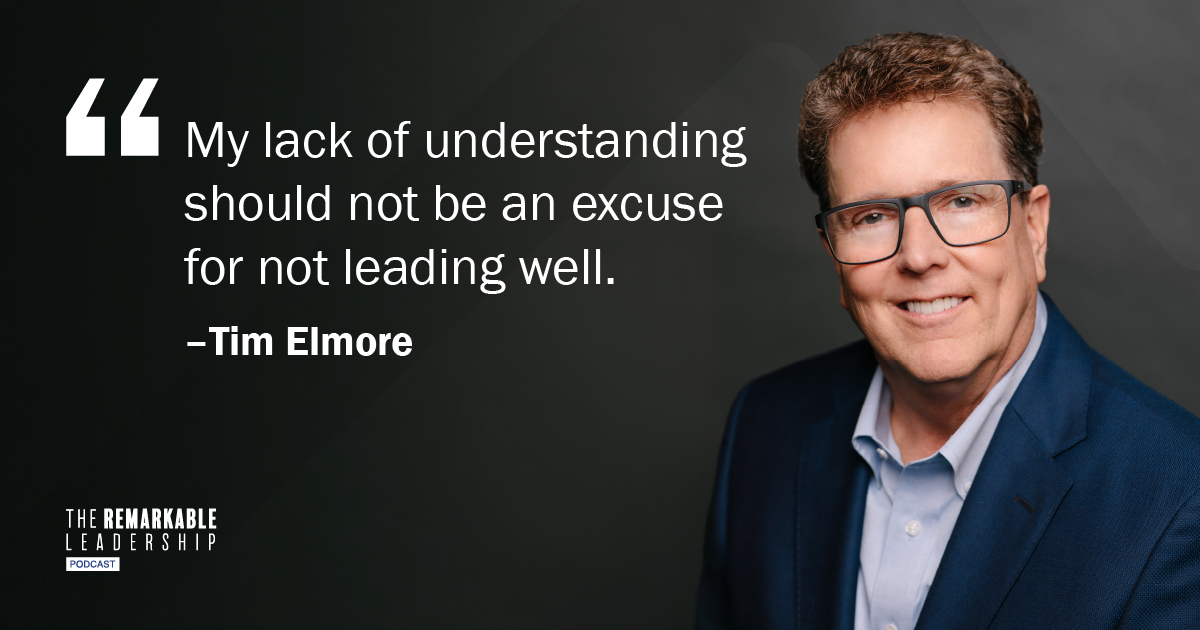
Fact we were quite rebellious in the 60s. Gen X back to cautioned millennials. Back to confidence Gen Z back to caution. So sometimes our misunderstanding is we were raised at different times. The wet cement got hardened in different times, and my lack of understanding should not be an excuse for not leading well. So I talk about playing chess, not checkers.
00:28:49:12 - 00:29:09:20
Tim Elmore
Most managers play checkers with the people. And you know, in the game of checkers, all your pieces look alike, so you treat them all like you play the game of chess. The bishop's different than the knight or the rook or whatever. You got to know who's in front of you. You got to read them, delete them. I think we need to make sure we're reading Gen Z before we're leading Gen Z.
00:29:09:22 - 00:29:26:05
Tim Elmore
And, Kevin, if you don't mind, something that keeps coming back to my mind as you ask these questions, I want to make sure we get to before we run out of time. The the most important part of the book I learned as I wrote, by the way, I don't know if that happens to you, is as you write your book.
00:29:26:06 - 00:29:46:23
Tim Elmore
Oh my gosh, I need to do this. So I have an acronym in the book, but I need to meet with a Gen Z and correct them. I need to offer some hard feedback that is never fun, but I now follow a four step process that has been a lifesaver. For years and years we've used the term this is the leg you got to stand on.
00:29:47:04 - 00:30:12:04
Tim Elmore
So I take the letters a leg, a leg, and it reminds me how to approach correcting or offering hard feedback to a Gen Z or so. Letter A reminds me I need to start with asking instead of just moving in and telling them what they've done wrong. Because I'm short of time, I need to start with questions, and when I stop and think about when I ask them a question, they feel valued, right?
00:30:12:04 - 00:30:29:19
Tim Elmore
Each time somebody asks you a question about how you want my opinion. So I might start with, hey, what was your thought process behind that decision you made? I would have never thought of that. Or or maybe something as simple as, can you help me understand dot, dot dot. That's always a good way to start. But when I ask, they feel valued.
00:30:29:21 - 00:30:38:02
Tim Elmore
The letter l listen. I think it does very little good to ask a question if I'm not willing to do the work of active listening.
00:30:38:04 - 00:30:40:03
Kevin Eikenberry
I argue it's worse.
00:30:40:05 - 00:31:07:21
Tim Elmore
Yes, that's right, it's like you're disingenuous. Yeah, it's so true. So when I listen, they feel heard. And by the way, my research shows me that's the number one thing they want when they start work. I want to have a voice from day one. I want to be heard. The letter E is empathize. So I find ways and even though I'm an older male, that doesn't always find great ways to show empathy, I'm learning to do this when I empathize, they feel understood.
00:31:07:21 - 00:31:30:07
Tim Elmore
So I find ways to say, oh wow, I had no idea that happened last month to you. Or I bet that felt horrible when that happened to you. Suddenly they feel understood. So think about this as they feel valued, listened. They feel heard, empathize. They feel understood. Now, I've earned my right to do the letter G, which is to guide them.
00:31:30:09 - 00:31:50:11
Tim Elmore
And that's what I wanted to do from the very beginning. But now I've earned my right to do it through a bridge I built, not a badge I wear, and that's what they want. Bridge, not badge. Don't leave me from positional authority. Lead me through connection. And if we can do this, I think we're going to win them and keep them at the workplace.
00:31:50:16 - 00:31:54:04
Tim Elmore
But we're going to have to change our ways. Perhaps.
00:31:54:06 - 00:32:07:17
Kevin Eikenberry
So before we before we start to wrap up, I just want to make an observation on that same. Exactly. Yeah. Ask. Listen, empathize, guide that. That's the way we should give feedback to everybody.
00:32:07:20 - 00:32:09:14
Tim Elmore
Oh my gosh, this happens.
00:32:09:17 - 00:32:29:17
Kevin Eikenberry
It just so happens that, if we because someone of my age getting feedback. Well, I don't need to do that. All I ever all they did was give me the gene they want. Right. Yeah. That's right. But that doesn't mean that it wouldn't have been better. Oh my gosh. Yeah. Just because I got used to it and I don't need it doesn't mean I.
00:32:29:21 - 00:32:33:02
Kevin Eikenberry
It wouldn't have been better if I had gotten it. Yes.
00:32:33:07 - 00:32:51:02
Tim Elmore
And and that would have won you at the heart level wouldn't it. I mean, you would have said, oh my gosh, I'm not leaving this place. They definitely understand me and they want my input. Yeah, this is you're right. We should have been leading this way 50 years ago. But we put up with benevolent dictators instead of, you know, listening coaches.
00:32:51:04 - 00:33:06:00
Tim Elmore
So anyway, I'll stop. But, I just, I know I needed that with my own adult children. I needed that with my Gen Z and millennial employees. I think I'm a better leader today because I followed my own advice in this. In this book. Yeah. Yeah.
00:33:06:02 - 00:33:20:15
Kevin Eikenberry
Absolutely. So, we didn't have I didn't have the chance to prep you with this question. Okay. All right. But I'm going to ask, what are you what are you reading these days? What's one thing you've read recently, Tim?
00:33:20:17 - 00:33:45:16
Tim Elmore
Okay. Well, I love Arthur books, and, the his latest book. I think I've read all of them. The latest book is The Meaning of Your Life, where he talks about, a number of things, but certainly the right and left hemisphere of our brain because we're on, a device, a portable device. So often we spend time in the left hemisphere, which is didactic and not really meaningful.
00:33:45:21 - 00:34:03:17
Tim Elmore
Meaning comes from the right hemisphere. So we're not going to find meaning in our work as much as we could have had we put the device down, been with people, been alone where we could think and ponder and get bored. Imagine that. So the meaning of your life. I just highly recommend. He did the book Strength to Strength.
00:34:03:22 - 00:34:18:10
Tim Elmore
That was powerful. So anyway, that's that's my answer. I just he's a Harvard. He's the most popular Harvard professor. There's a waiting list of 300 plus students to get in his class, and the class is full. And so I just enjoy reading him. Yeah.
00:34:18:12 - 00:34:33:12
Kevin Eikenberry
We will have that in the show notes. We'll also have, so in terms of books, including the latest book, The Future Begins with the all of that will be in the show notes. But Tim, where do you want to point people if they want to learn more about you, get connected with you, learn more about this book or anything else.
00:34:33:12 - 00:34:34:17
Kevin Eikenberry
What do you want to point people?
00:34:34:19 - 00:34:43:17
Tim Elmore
Thank you Kevin for asking and I so enjoy talking to you. I feel like we could go on for hours whether anybody wants to listen or not. That's another maybe a whole other conversation.
00:34:43:17 - 00:34:47:07
Kevin Eikenberry
That's right. It could be a great conversation, but not one. Anyone wants to join us?
00:34:47:10 - 00:35:05:03
Tim Elmore
That's right. Exactly. Yes. Folks, if you want to find me, I would love to help you. If I can. My name is. It's my website, Tim elmore.com. That's the best place to find the books or the free stuff. And, to schedule a coaching or, speaking event. So thanks for asking. Tim. Well, Morcombe.
00:35:05:05 - 00:35:22:03
Kevin Eikenberry
Campbell. Morcombe. So before I say goodbye to Tim and before I say goodbye to all of you, I've got to ask you a question. The one I ask you every single week, and that is now what? Okay, so for the last 30 minutes or so, you've had the chance to hear and listen to this conversation and hopefully you got some insights.
00:35:22:05 - 00:35:41:15
Kevin Eikenberry
Fine. Insight is only the start. What action are you going to take now? What what will you do now as a result? Because yeah, that's the winning question. That's the question that takes us from hey, this was interesting to, hey, this could change the course of my career as a leader or as a team member. I hope that you'll ask that question.
00:35:41:17 - 00:35:42:21
Kevin Eikenberry
Tim, thanks so much for being here.
00:35:43:03 - 00:35:47:10
Tim Elmore
Glad to have you back, Kevin. My pleasure. Always good to be with you and everybody.
00:35:47:10 - 00:35:58:15
Kevin Eikenberry
I hope you'll be back next week. I'll have another guest next week. So you should be back. And if you enjoyed this, invite someone else to listen. Invite them to join you next week. For another episode of the Remarkable Leadership Podcast.
Meet Tim
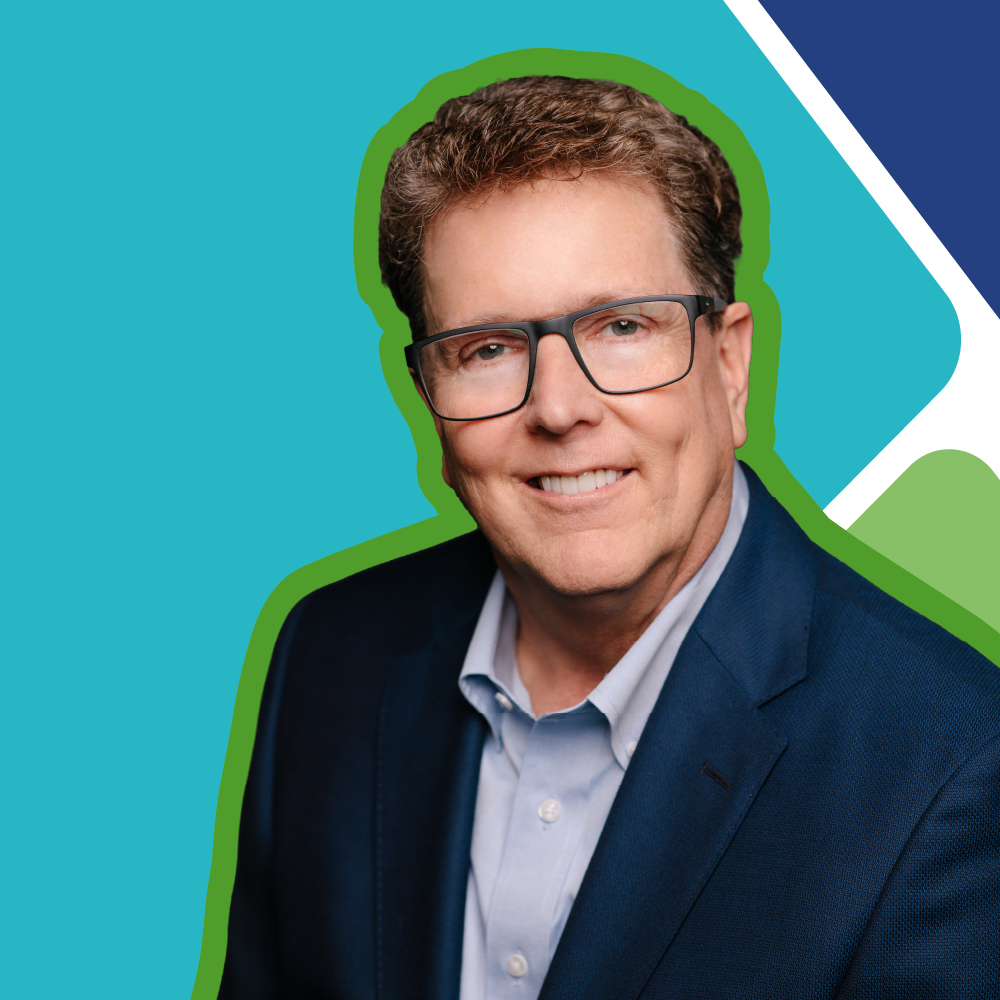
Tim's Story: Tim Elmore is the author of 40 books, including Habitudes: Images That Form Leadership Habits and Attitudes, and Eight Paradoxes of Great Leadership. His latest book is The Future Begins with Z: Nine Strategies to Lead Generation Z As They Disrupt the Workplace. He is the founder of Growing Leaders, an Atlanta‐based non‐profit organization created to develop emerging leaders. His work grew out of 20 years of serving alongside Dr. John C. Maxwell. Elmore has appeared in The Wall Street Journal, The Washington Post, USA Today, Psychology Today, and been featured on CNN’s Headline News, Fox Business, Newsmax TV and Fox & Friends to talk about leading multiple generations in the marketplace.
Follow The Remarkable Leadership Podcast


Looking to Develop Stronger Leaders?
Want help developing the leaders in your organization? Reach out to explore how the Kevin Eikenberry Group can support your team.
Book Recommendations
Like this?
Join Our Community
If you want to view our live podcast episodes, hear about new releases, or chat with others who enjoy this podcast join one of our communities below.
Leave a Review
If you liked this conversation, we'd be thrilled if you'd let others know by leaving a review on Apple Podcasts. Here's a quick guide for posting a review.