What if motivation isn’t something people are born with, but something that can be influenced, shaped, and sustained? In this episode, Kevin is joined by Matt Granados to challenge common leadership myths about motivation. Matt reveals a powerful formula for creating sustainable motivation through personal connection, structured systems, and self-awareness. He explores the critical distinction between love-based and fear-based leadership, explains how three simple weekly questions can transform team engagement, and helps leaders identify individual motivation catalysts, including freedom, acknowledgment, connectivity, and support.
00:00:00:03 - 00:00:33:16
Kevin Eikenberry
Motivation is one of the most talked about and misunderstood concepts and actions that we must take as leaders in this episode. We're going to talk about some myths of motivation, solve those problems, and give you some actionable steps you can take to help your folks be more effective and yes, more motivated.
00:00:33:18 - 00:01:10:03
Kevin Eikenberry
Motivation is something that every leader thinks about, unfortunately, often in the context of a person they see as unmotivated. Our guest today would disagree with that perspective. We're going to talk today about how to motivate the unmotivated. As promised in the title, with a proven and perhaps in some cases, contrarian view. Welcome to another episode of the Remarkable Leadership Podcast, where we are helping leaders like you grow personally and professionally to lead more effectively and make a bigger difference for their teams, organizations and the world.
00:01:10:05 - 00:01:34:16
Kevin Eikenberry
If you are listening to this podcast, you could join us in the future live to learn more about how to do that. You can join our Facebook or LinkedIn groups. Just two of the places where we live stream these episodes first. You can just go to remarkable podcast.com/facebook or remarkable podcast.com/linked in, to get all the scoop and to know when we'll be live.
00:01:34:18 - 00:02:01:16
Kevin Eikenberry
My guest today, let me bring him in and let me get my notes back up. Here is Matt Granados. He is the founder and CEO of Life's Pulse International, which helps organizations fix people problems by solving process problems once and for all. He's the author of, among other things, motivate the unmotivated, and he has a proven system for sustainable motivation with an unconventional approach.
00:02:01:22 - 00:02:05:11
Kevin Eikenberry
So Matt, welcome. Glad that you're here, sir.
00:02:05:13 - 00:02:10:00
Matt Granados
Appreciate to be here. Always. Always an honor to share what we're finding is working.
00:02:10:02 - 00:02:23:20
Kevin Eikenberry
All right. Well and that's what we all want to do is find out what's working. So let's start there. We're going to talk about, you know, if the title of this, is the title of the book, Motivate the Unmotivated. What's the big idea? Big motivating, the unmotivated.
00:02:23:21 - 00:02:45:01
Matt Granados
The big idea is that motivation is not a character trait. It's a state of mind. And when we recognize that, we can change it. So the biggest issue we find is the main character of the book is his name is Unmowed or her name is Unmowed. Unmowed is his distant cousin. If you see in the book, of of a specific character that I don't think I have the right to necessarily, say, if that makes sense.
00:02:45:01 - 00:03:03:12
Matt Granados
But is just not the most motivated individual word, in fact, is the most unmotivated. And we ask the readers as they come through the book, is to go through the book for yourself and then also go through your book as you're working through it with unmowed in your mind. So the big idea is the fact that motivation is not a character trait, it is a state of mind.
00:03:03:12 - 00:03:24:14
Matt Granados
And if it's a if it's a, if it's a state of mind, I can help influence it of somebody else's. I can't create motivation. But man, there's a lot I can do to influence it and make sure they're doing what they should be doing. The entire book walks you through not only what to do, but more importantly, how to actually do it and whatever situation you're in for yourself, for them using the system and get the results you want.
00:03:24:15 - 00:03:35:20
Kevin Eikenberry
And we're talking about all those four things that you just sort of slid past everybody, in a second. But early in the book, you talk about and what you've already said hints at this.
00:03:35:22 - 00:03:36:14
Matt Granados
00:03:37:00 - 00:03:53:22
Kevin Eikenberry
But you say that there are two motivation myths. So let's talk about the myths because because, you know, when I read them, I started to smile because, yeah, you hear them all the time and we take them to be true. They're really not. So talk about what they are and what the truth really is.
00:03:54:00 - 00:04:11:13
Matt Granados
Well, the there's there's multiple myths when it comes. Right. So the first myth and again, if there's a different one you're talking about in the book, because we address a couple of them, is the myth that you can't motivate others, right. Like you can't motivate others. And, I think you can sit there and recognize that motivation is something that is from within.
00:04:11:13 - 00:04:32:20
Matt Granados
Right? So yes, I can't motivate others, but I can help influence it. It's like what we just said and making sure that we are navigating that, another myth that we focus on is the fact that I don't have time. Like I don't have time to motivate them. And what I tell people is you do have time. You either spend it upfront or you spend it forever.
00:04:33:02 - 00:04:48:09
Matt Granados
The way I relate this to is if you look at the average age of a person still living at home, it's way higher than 18 right now. So if you're listening and you have an adult child at home, this is not to offend you, but it's just the reality of it. You either fix a problem in the beginning or you fix it forever.
00:04:48:11 - 00:05:02:12
Matt Granados
And it's the same exact concept. So those would be the top two that I'm finding right now that are that are are most prevalent in the world is I don't have time to deal with this. I'm telling you, you're going to invest. You either invest upfront or forever. It's your pick.
00:05:02:14 - 00:05:22:17
Kevin Eikenberry
So, one of the things that people will talk about when they talk about motivation and you just talked about internal motivation. So there's internal motivation intrinsic and extrinsic. So what do we need to know about those. The difference between those two and how those do impact our ability to help change the state of mind of others.
00:05:22:22 - 00:05:53:04
Matt Granados
Yeah. So extrinsic is usually based on something come from the outside. Pushing in is how I describe it. Right. So that's going to be like something either pushing or pulling them from the outside. Intrinsic is just like what you said, Kevin, is, is the internal dialog that kind of gets their head moving. There's actually a third level of motivation that Daniel Pink writes about called pro-social, which is actually, I find from a corporation perspective, when I work with teams and leadership team and companies in our optimization overhaul, we focus on pro-social and we lean on pro-social.
00:05:53:06 - 00:06:15:16
Matt Granados
Quick explanation of pro-social is the fact that I don't want to be a part of the reason why the team doesn't get where they are going. We don't want to be that person. Humans naturally don't. So intrinsic, extrinsic, and pro-social. I can help with the extrinsic, but I also found I can coach a coach effectively to help guide people through the intrinsic as well.
00:06:15:18 - 00:06:37:00
Matt Granados
And it's about asking questions, getting to know the individual or tying what we call it a which is personal value tied to task. And that is all about focusing on the two different types of motivation. Right? There's motivating out of love, love based motivation, which is based on understanding. And then there's fear based motivation, which is based on force.
00:06:37:02 - 00:06:56:22
Matt Granados
I guarantee you, with the leaders who are listening to this, you all have experienced and likely have used yourself for fear based motivation. However, you probably haven't really leaned on the love based motivation. One of the myths about motivation is which one takes longer. The average person would say fear based motivation is the faster and takes less time.
00:06:57:00 - 00:07:17:15
Matt Granados
But don't confuse faster with takes less time. Love based motivation is sustainable the way we do this. We describe the motivational allstars in the book. Just to name some of them. You got Martin Luther King Jr, you got Gandhi, you got Jesus, you got, Mother Teresa, Princess Diana, you go through these people who have done amazing things in the world.
00:07:17:17 - 00:07:35:10
Matt Granados
And I'm not saying that they're perfect, but they've done amazing things in the world. When they were removed from this place, when they were removed from their position of power, what happened to their movement? It exploded. In fact, when you go to some of the dictators, Hitler, Mussolini, Stalin, what happened when they were removed, their power actually diminished.
00:07:35:10 - 00:07:56:06
Matt Granados
The movement stopped. So which takes longer? No question. Fear based motivation because you have to constantly be pushing that extrinsic versus the love based motivation. When he used the five pillars of motivation love base motivation takes less time and is more effective long term.
00:07:56:08 - 00:08:17:11
Kevin Eikenberry
We frame that that dichotomy, if you will, around the idea of the difference between leading for compliance and leading for commitment. Right? Yeah. And you can hook you can hook those two things to what you just said for sure. And I think if you know, I'm, I'm old, I'm pretty clear that I'm older than you. I've read your book.
00:08:17:11 - 00:08:51:02
Kevin Eikenberry
I'm looking at you. It's pretty clear that I'm older than you. But even. But even, you know, however old you are, Matt, I think it's true. And I think anyone who's listening would say that, historically, more of us had experience with leaders who who were leading from that fear or force. So, yes, rather than the love side and just and so I will just say lovingly, just because that's what you've experienced doesn't mean that's the only option we've got.
00:08:51:03 - 00:08:51:11
Kevin Eikenberry
Right?
00:08:51:16 - 00:09:10:20
Matt Granados
And in fact, I don't go based off what we experience, that go based off the fruit of what comes of it. How does it work? It doesn't work. Had you are you still motivated by that individual who yelled at you 30 years ago? No, but you don't forget it. You're impacted by it. And when you're in the worst version of yourself because you don't have good systems, you move yourself back into that role.
00:09:10:20 - 00:09:28:12
Matt Granados
What we talk about is there's different types of management and leadership that has been told to us over the last, probably, thousand 25 right now, almost 50 years, we would say probably closer to 75 years. Right. Let's get back to the 1950s. The 1950s was basically, I call it the drill sergeant. Right. And that's what we're talking about.
00:09:28:12 - 00:09:46:02
Matt Granados
Kevin, don't get me wrong. Doesn't mean the drill sergeant died in 1950. It just that was the most prevalent way of managing people back then. Then it swung into the 60s. To what? The cheerleader. Then it swung the pendulum back. The cheerleader basically just cheers you on and nothing ever happens, right? Kind of, hey, we love you. We're going to be nice to you.
00:09:46:02 - 00:10:04:19
Matt Granados
And we're gonna pretend everything's okay. But then it swung back all the way over to what I call the teacher. And we sat there in the self-growth error the 1970s, 80s, 90s, 2000 all the way through right now. And people are still stuck as teachers. We are not called to be teachers because all you're doing is presenting knowledge.
00:10:04:21 - 00:10:07:02
Matt Granados
I don't have my phone on me, which is amazing, right?
00:10:07:02 - 00:10:09:00
Kevin Eikenberry
But it's a good thing, actually.
00:10:09:00 - 00:10:32:01
Matt Granados
No. Right. I'm like, where is it? I'm missing something. But we have access to knowledge unlike we've ever had before, so it's not about knowledge, it's about how do you properly apply the knowledge, right? We define wisdom as using the correct knowledge in the correct way at the correct time. What we want our leaders to be when we bring them through, whether a coaching an individual, a team, or an entire organization is we want you to be architects because what do architects do?
00:10:32:02 - 00:10:50:22
Matt Granados
Architects come in. They use a natural laws of science. We use a natural laws of the universe, of success, of people, and they use a natural laws to go, okay, here's how we will build what you're saying you want to build. And then we present it back to the individual to then go build it. That's the difference. And we can talk about where we learned that, how we were out.
00:10:50:22 - 00:11:11:18
Matt Granados
And, you know, Silicon Valley working with a a pretty good client that searches really well. And how we came to realize, Holy smokes, the entire leadership and culture teaching is completely backwards. And that's why a lot of people get a little, concerned when they start investigating how we do what we do until they see the results that are sustainable within the organization.
00:11:11:20 - 00:11:31:19
Kevin Eikenberry
Well, we could have a long conversation about the other piece of that. We promote people who are really good at their job, really good at that technical or subject matter expertise. And so, they've been rewarded for having that knowledge. And so, yeah, being able to willing to impart it seems to be the natural outcome. Yeah. Yeah.
00:11:31:19 - 00:11:48:07
Kevin Eikenberry
And it's hard for us to let go of that so we can focus on things like processor systems, which we're going to get to in a sack. Yeah. You, you talk about, in your work in the book, about a motivation formula, I'm going to put it up on the screen for those that are watching, but you can walk through it briefly.
00:11:48:09 - 00:11:48:22
Matt Granados
Yeah.
00:11:49:00 - 00:12:05:13
Kevin Eikenberry
And then we'll we'll unpack it a little. Obviously, we don't have the time to unpack it the way we could if we had longer. Yeah, but talk to us about the formula. A little bit, because I think it will help people see where your approach is a little different.
00:12:05:15 - 00:12:27:03
Matt Granados
Yeah, absolutely. So this all came from a time, and I think I talk about in the very beginning of the book where a family member of mine, I was sitting there going, why are they not as motivated as I feel I am? Like, why? If motivation is a choice, not a condition, if it's a choice, why do people I care about choose to not be motivated?
00:12:27:05 - 00:12:42:09
Matt Granados
Now, I wasn't saying this in a way of like, look at me, I motivate. It was just why aren't they doing it? And I came to realize that I, I don't really know why they're not. I don't know why un mo is not doing what they should be doing. And I started saying I going to so what's the structure?
00:12:42:09 - 00:13:01:19
Matt Granados
What's the formula of this. And what we found is you need these variables. Understood. So you and them those are what we call the motivational parties. There's a motivator and a word I made up called the motivator. Right. Like this is the individual being motivated by the motivator. Just like a mentor in a mentor. So not real words.
00:13:01:19 - 00:13:05:16
Matt Granados
So if you're like look at them up. We did make those words up. But the but here's the thing.
00:13:05:18 - 00:13:08:15
Kevin Eikenberry
They're not real words but they're understandable words.
00:13:08:15 - 00:13:37:07
Matt Granados
So that's what we're trying to teach here. So you are the motivator. They is the motivator. But sometimes you're both. Sometimes you have to use this system to on yourself. Right. So you got to know you you got to know them. The combination of that is what's going to give you a positive or a negative. And this is really important because then you go and get a system and the system only multiplies what you put into it.
00:13:37:09 - 00:13:53:09
Matt Granados
So if you don't know yourself, which most people don't, actually, Harvard did a big study that said that 95% of people say they're self-aware. It turns out 10 to 14% are. Which means if you're sitting there thinking, wow, those people are really unaware you're part of the 85%. That's the problem. Like, we don't know what we don't know.
00:13:53:15 - 00:14:08:11
Matt Granados
So how well do you know you? How well do you know them? Take the time to ask the right questions. There's three questions we suggest people answer to get that information. And if that is a negative meaning, I don't know them, I think I know me. So that gets me. Let's just say two -2 or 3 on our scale.
00:14:08:13 - 00:14:25:16
Matt Granados
I don't care how good the system is, you times anything by a negative, you get a negative result, right? You have great people with a bad system. I don't care how good the people are, you're going to get a negative result. You need positive variables in these three areas. So how well do you know you self-awareness, self analysis, all that stuff.
00:14:25:16 - 00:14:48:03
Matt Granados
How well do you know them? Through questions. Caring understanding. And then you times out. But whatever system of operation you're using, if you are not using a system of operation that you can clearly articulate, you are part of what we call the inefficiency epidemic that we are currently in. And it comes from two things. It comes from individuals who don't do what they're supposed to do and who don't understand what's supposed to happen.
00:14:48:03 - 00:15:07:14
Matt Granados
But it also comes from people watching this podcast. All right, so I'm insult some of you, but it's only because I love you. What that means is you are a high capacity leader who has not taken the time to systemize how you do what you do, so you can come in and you could do a week's worth of work in an hour, but your people can't.
00:15:07:14 - 00:15:21:11
Matt Granados
And then you wonder why they can't do what you want them to do. They don't know how they're not equipped to. So that's how we work on this. What's the operating system? Who are they? Who are you? You bring all those together and boom! You will have predictable results in what you're going to get almost every single time.
00:15:21:13 - 00:15:40:19
Kevin Eikenberry
Let's talk about those three questions that you hinted at and people who are really paying attention. We're like, wait a minute. There are three questions. What are the three questions? So you talk about the three questions. It can really help us better understand other, other folks. Yeah. What would you suggest those are.
00:15:40:21 - 00:15:55:07
Matt Granados
Yeah. So every single week we asked this of our team, it's in our, our little planning system that we have right over here on this shoulder. If you're watching it, if you're listening to it, it's a blue book, right? That's all it is. But the inside of it has these nine questions. We bring everybody through. The first three questions are these three questions.
00:15:55:07 - 00:16:11:18
Matt Granados
What are you focused on? What are you grateful for? What are you working towards? What are you focused on? What are you working for or what are you grateful for? What are you working towards? Now we ask these three questions every single week. Our teams come prepared to what we call our pulse check meeting. Our teams come prepared to explain that to us.
00:16:11:18 - 00:16:23:19
Matt Granados
Now they don't need to go into details. It's one word, one focus. What am I working towards? They don't need to explain it. Let's go through it so we can get through a team of ten in about 5 to 6 minutes. Does that make sense? Like it's not a comment at the.
00:16:23:19 - 00:16:25:02
Kevin Eikenberry
First time you did it.
00:16:25:04 - 00:16:50:02
Matt Granados
No. Wow. Yeah. We have a process. Exactly. And it says, hey, just dump it out. And here's what I'm listening for as a leader. Patterns, trends okay. You're grateful for this. And you said this. If there's one word, focus is, marriage and they're getting married this weekend. That's a good thing. If it's marriage and they've been married for 20 years, you might want to check in on that.
00:16:50:04 - 00:16:51:22
Matt Granados
Does that make sense? Like, and.
00:16:51:23 - 00:16:54:13
Kevin Eikenberry
Could be a joyful time. But I understand.
00:16:54:13 - 00:16:55:09
Matt Granados
But I agree.
00:16:55:10 - 00:16:58:07
Kevin Eikenberry
But I certainly understand your point because it's a clue.
00:16:58:09 - 00:17:20:16
Matt Granados
It's a live example to live examples of how this works so well to motivate the unmotivated. And it works with your kids. It works with your spouse. It works with your pets. They don't talk back, but the same things we do goes all the way down to animals if we get down to the natural desire of animals. With that being said, one of my employees, their word was cancer, and I was about to actually let her go.
00:17:20:16 - 00:17:33:20
Matt Granados
I was ready to fire her, I was member, I was like, man, she just not as chipper as she should be. She leaves Fridays, early Mondays. She kind of is like, she needs to be a little more excited. I just don't think she's a good fit right now. And then she happens to share her one more focus is cancer.
00:17:33:20 - 00:17:51:21
Matt Granados
And I looked at her. I said, hey, Mike, what's that about? I know, like, that's a weird thing for you to say. And she's like, I don't want to tell anybody, but I'm just finally done. For the last probably four months, I've left on our four weeks. I'm sorry. I've left on Friday to go get chemo treatment because I'm fighting cancer.
00:17:51:21 - 00:18:09:06
Matt Granados
But I didn't want to bring the team down, so I didn't tell anybody. And then I come Monday, and I always want to apologize. But I did want to bring up the cancer thing. So she was literally for the betterment of the team, not telling anyone she was fighting cancer, going to get chemo on the weekends, and I almost fired her because of it.
00:18:09:08 - 00:18:26:14
Matt Granados
That's how ignorant I was to this. Another one, one of our warehouse managers and one of our other companies, his he was always grateful for his daughters. He was always grateful for his kids. So anytime there was a late shipment post 5:00, because I knew he loved being home for dinner, he loved being home with his kids.
00:18:26:16 - 00:18:55:03
Matt Granados
His wife was actually the breadwinner. He was just kind of doing what they need to do just to stay busy during the day. And he would take care of the kids. So normally the warehouse manager, if there's a late delivery, they would stay after one of our other employees, like getting overtime. So instead of pulling from that withdrawal from my warehouse manager, who worldly or traditionally they'd be the one who comes to stay after I was able to let him leave, which he was so grateful for, and have someone else come in.
00:18:55:05 - 00:19:10:06
Matt Granados
When you ask these questions, what are you grateful for? What are you working towards? And and, what are you focused on? You were able to understand who that person is in about four cycles of asking that question. If you're listening effectively.
00:19:10:08 - 00:19:35:23
Kevin Eikenberry
Another thing, and I think there's a connection here, you talk about motivation catalysts. And I as I'm, as I'm listening to you expand on those questions, it helps me think and connect to those catalysts. So let's talk about those because again, these apply to us obviously as humans as well as those that we are leading, influencing, wanting to help motivate.
00:19:36:04 - 00:19:38:22
Kevin Eikenberry
So let's just talk about those for a sick.
00:19:39:00 - 00:20:01:02
Matt Granados
Yeah. All right. So there's four catalysts. So what is the catalyst. Catalyst is something that sparks a reaction right. In science that's what that word comes from. So that's how we came up with these these concepts. But motivational catalyst motivation is kind of like a like a pilot light in a house. Right. And if you ever seen what a pilot is, the little flame that stays on all the time and it keeps your whole house warmed and it's like fire.
00:20:01:02 - 00:20:23:17
Matt Granados
Fire, when, managed properly, is extremely effective and can save your life. But if it's mismanaged, it will blow up your house. The pilot lights the same way. It is an open flame with gas going in it at all times. So how do we create the. How do we create the spark that gets that pilot light lit and then nurture it effectively as a leader?
00:20:23:20 - 00:20:46:12
Matt Granados
Well, it's with these four motivational catalysts. If you go to light pole Centcom, backslash MCA, you can actually take a free, assessment to figure out what your catalyst is. But there's four outcomes. There's freedom, acknowledgment, connectivity and support. Right. Freedom, acknowledgment, connectivity and support. I've always wanted to create like a cool acronym. If anyone thinks of one that makes sense, please let me know.
00:20:46:14 - 00:20:55:08
Matt Granados
But I don't have one. I like acronyms, I don't have one for this. So let's start with we'll start with support. Right. Because that's on the on the screen. Or you could do freedom whichever one you want so people can go to free.
00:20:55:08 - 00:20:56:06
Kevin Eikenberry
And that's the first one.
00:20:56:06 - 00:21:19:07
Matt Granados
Let's go, let's go. All right. Freedom. Right. Freedom is individuals. And we'll just talk. We'll talk works. You understand the concept of it who don't necessarily care about what you're doing for your company. They just don't care. I know you want your people to have the same passion about what you're doing as you do, but it's not a requirement to be a good employee, and it's not a requirement to be good with your culture.
00:21:19:07 - 00:21:37:15
Matt Granados
You don't have to have like you need a bleed arc. You don't need to bleed LP blue in order to be a good employee. Here. But you do need to do the job that we said you were going to do. And I think those lines get a little to, to blurry. And that's why we run into these managerial and leadership issues is because we're trying to do things that we are not supposed to do in the role that we're in.
00:21:37:17 - 00:21:53:07
Matt Granados
We're not a therapist. That's not our job. But yet we tend to be one. We're not a babysitter. And if you're babysitting, trust me, you're not managing. So we have to come to terms with this. So sorry I got distracted, but that's just a passionate burning issue I have when I work with clients is stop babying your people.
00:21:53:07 - 00:22:12:13
Matt Granados
Lead them. So freedom. Freedom comes from individuals who would rather go do something else. So the way you want to motivate a freedom catalyst individual is you want to make sure you're helping them do more of what they like to do outside of work. You're pointing back the fact that by doing what you're doing here, you get to go on hikes the way you like to do.
00:22:12:14 - 00:22:27:23
Matt Granados
You get to go to the gym the way you like to do. You get to buy the nice paints. When you like to go paint, you get to go to those concerts. But we got to get the job done here so you can go do what you're going to do over there. The way you pull away from a freedom person is make them work extra hours unnecessarily.
00:22:28:01 - 00:22:45:22
Matt Granados
Make them miss things that are meaningful to them. Well, man, come on, that's your your kids. You know, second grade rehearsal. Like they all make random noises. It doesn't actually work. Yes, but for a freedom person, you just pulled a withdraw that you'll never get back. Right now, this doesn't mean you cater and you cave to your people.
00:22:45:22 - 00:23:03:02
Matt Granados
There are times where I will go to a freedom person and I'll say, hey, heads up, I know you really want to go, but we need X, Y, and Z, so if you can find a way to do it and still go, I'm all game. But that can't be an excuse. Why job A, B or C does not get done and I know the withdrawal I'm pulling.
00:23:03:02 - 00:23:09:20
Matt Granados
I think that's what a lot of leaders do wrong, is they don't realize the withdrawal they're pulling. They don't realize how heavy that ask is, how expensive that and.
00:23:09:23 - 00:23:14:03
Kevin Eikenberry
That person wouldn't be happy to me. Absolutely not happy to them. That's the big key, right?
00:23:14:07 - 00:23:33:09
Matt Granados
Right. For me, freedom. Not to. That means nothing to me. Freedom in the grand scheme of things means a lot to me. But freedom in the sense of where I work because I genuinely love what I do. The next one is where I fall. That's the acknowledgment, right? Freedom. Acknowledgment. You give me an attaboy. I'm running through a wall.
00:23:33:11 - 00:23:56:04
Matt Granados
You criticize me. That's heavy. Now, does that mean I can't take criticism or you shouldn't correct me? No, but you just need to know what you're dealing with. When that happens. So someone with acknowledgment, make sure you're using positive affirmations. Make sure you're praising them in public and correcting them in private. Right. You want to make sure you're focusing on the fact that words are heavy for this person.
00:23:56:06 - 00:24:24:08
Matt Granados
So be very careful. The acknowledge person. They're the ones that win employee of the month all the time. The freedom people, they're sitting there going, why do they even care? Like like it's just two totally different desires from these individuals. After acknowledgment, and again, that's what I said to increase acknowledgment that motivation praise to to decrease it or create what we call motivational walls negatively impact them in front of people, scold them in front of people, use your words to pin them down and you will break them very, very quickly.
00:24:24:10 - 00:24:44:21
Matt Granados
Next one freedom, acknowledgment and then connectivity is probably the next one you have in that order, right. It's cool. So connectivity this is a little bit of that pro-social concept that we talked about earlier. Connectivity is the fact that they want to be part of something bigger than themselves. These are the individuals. Like which nonprofit? Oh, here's the you know, the Humane society.
00:24:44:21 - 00:25:00:15
Matt Granados
And they're the ones that show up and they go by all the dogs like like they want to do something bigger. A lot of people are tied to a cause right now because of the way the world has told them to be. So for example, connectivity. We have a foundation that's called the take Part foundation. It raises money for rare pediatric conditions.
00:25:00:15 - 00:25:25:19
Matt Granados
We have a daughter with a rare pediatric condition in a wheelchair. And there's this again, there's no funding. So we started this. If I'm a connectivity person and we are trying to raise money for, through our company or some type of random fundraising or something, I want to know where do my people care? I'm not a connectivity person, so I would rather you say, hey Matt, great job on what you're doing with that foundation.
00:25:25:21 - 00:25:43:15
Matt Granados
Like like that. That is that is really powerful. What you're doing would take part, but I don't need you to raise money for take part. Does that make sense? Like, that doesn't excite me as much as the recognition. Now, please understand I'm not sitting there going to feed people's egos like we need to put people's egos in the jail they belong and shut that door and lock it.
00:25:43:17 - 00:26:04:15
Matt Granados
I'm all for that. But this just goes back to recognizing where it is. Connectivity to increase it. Big picture thinking. Look at all the impact we're making. Decreasing it is minimize the external impact. Hey don't want why do you worry about all those things you like? They don't do anything for you. When you say that to someone who's a connectivity, what you're doing does nothing for you.
00:26:04:16 - 00:26:25:17
Matt Granados
They're not doing it for themselves. They gain value as they offer value elsewhere. So that's connectivity and then support. Support is the last one. Doesn't mean it's any more or less valuable. It just happens to be the way the order came to add support, or individuals who want to be part of a team and what they want to know, Kevin, is I want to know if I'm working late, you're working late.
00:26:25:19 - 00:26:40:22
Matt Granados
What they don't like is that their boss checks out early. Every single day. What they don't like is the fact that they're sitting there and there's a project due, and no one else is there with them. So what that means, that does not mean you need to be artificially being there first. And last out. The way old school kind of management needs to be.
00:26:40:22 - 00:27:04:06
Matt Granados
I think that's a foolish and an artificial way of motivating people. If you happen to do it, great. But don't do it for that, cause it doesn't actually work with. What they want to know is that you actually care, support. People want to know the other people on the team care as much as they do. So when you are able to articulate that and let them know that they will run through the wall for you, support.
00:27:04:06 - 00:27:18:11
Matt Granados
People want to know their actions are making impact, that they're appreciated different than acknowledgment does. That makes that acknowledgment is good. Job appreciation is thank you for doing what you've done. Slight different. Goes a mile in different directions.
00:27:18:11 - 00:27:37:18
Kevin Eikenberry
Yeah. Big difference in the end. So, I wanted to have I mean, we get pitched stuff all the time. Your team pitched this book and and, I wanted to. I wanted to talk about the things we've been talking about, and so I'm so glad that we've done that. And there's so much more we could talk about.
00:27:37:20 - 00:28:02:04
Kevin Eikenberry
But before we go, there's really a couple of more things I want to ask you quickly. And one of them is there's someone out there who's listening is thinking about, okay, motivation. How is that different? Or how do I need to distinguish that from manipulation? Yeah. Like we need it. We need to talk about that flip side of this coin just for a second, because if we don't, someone will be wishing we had.
00:28:02:05 - 00:28:10:12
Matt Granados
Yeah. So motivation versus manipulation. And we have an entire chapter in the book that, that counters these,
00:28:10:14 - 00:28:31:02
Matt Granados
It's all about alignment. So we have an event that we do January 23rd, 22nd, 23rd of 2026, in Saint Louis. It's called realign, where we bring in top performers and we help them realign everything they're doing to realize that high performance is not a peak you hit, it's a ceiling you've hit. And there's a whole nother level that we teach all of our clients, which is called optimal performance.
00:28:31:02 - 00:28:52:10
Matt Granados
But it's all about alignment. Manipulation happens when you're not in proper alignment with each other. What I mean by that is it's all about motive. It's all about motive. It's not actually about impact. It is about intent. At this point. Now, the fruit of what you do is where we'll focus on, hey, Bozo, that was a bad idea.
00:28:52:12 - 00:29:12:17
Matt Granados
But for right now, when it comes to this, are you manipulating or are you enlightenment? And what it means is when you are motivating ethically, it's not about changing what you're doing because you can do it unethically and ethically. Using the same tools that we taught. Like this is like, that's the dangerous part of it. It is. Is it a win win or a win lose?
00:29:12:22 - 00:29:35:11
Matt Granados
Is it a symbiotic relationship or a parasitic relationship? And most of the times it's a parasitic. Most of times you're trying to get something from them. That's the reason I ask the three questions. What do you focus on? What you grateful for? Working towards so that as I'm trying to get what we need, I'm trying to make it so it will help them get what they need.
00:29:35:13 - 00:29:53:06
Matt Granados
I'm tying everything back to that. It's personal value type past so that you, as the individual that we are working with, trying to help encourage and build up those catalyst of motivation that pile, like getting everything in the way I know me, I know you, which is the them. We have a system to do this and we're going to get the results that we want.
00:29:53:06 - 00:30:16:20
Kevin Eikenberry
So manipulate that we want. Right. That's where the that's where the getting the intent and alignment is so important. I just appreciate I just any time I'm talking, you know, with a group of leaders and motivation comes up. I'm glad that you had it in the book. I'm glad we took a second to chat about it. I want you to take I know that you could take a long time on this last thing I want to ask you, but, yeah, we don't have a lot of time, so.
00:30:16:21 - 00:30:33:19
Kevin Eikenberry
But you you decided you wanted to test all this stuff out in real, in the real world. And so you started with Craigslist. So, like, tell us the, the high level version of this story because I think it will help bring us full circle.
00:30:33:21 - 00:30:55:05
Matt Granados
Yeah. So the highest level is we had individuals we hired off Craigslist to build about a $40 million sales organization, over the lifetime. And these individuals barely graduated high school. So when they came to work with us, I realized they had work ethic that I've never seen before. They had a willingness to do hard things that were counter to anything I ever grew up with.
00:30:55:07 - 00:31:12:03
Matt Granados
The problem was they just didn't know what to do. Like they didn't have a plan on how to do it. So when I started this accidentally, we brought it into our team and started giving it to the reps, the sales reps, and these individuals took their life to a whole new level in a way that I could not imagine.
00:31:12:05 - 00:31:30:15
Matt Granados
That's how it all started. And now what we do to still do that. Kevin, because I always I think honestly, if I'm talking and I'm not doing what it is we're teaching, I need to stop is we do what we call peeps or precision pulse sessions, where we come in virtually or in person and we do a survey, and we do this with a whole crowd of a keynote of 100 people.
00:31:30:15 - 00:31:52:11
Matt Granados
But usually it's a small leadership team or something of that nature. They tell us what they're our personnel performance gap, what are the problems they're dealing with in their life personally and professionally. And then we are put to the test of how would our system solve it? And we come and present it to them. It's one of my favorite things to do because it keeps us on our toes and it forces us to go, hey, our systems work.
00:31:52:13 - 00:32:15:18
Matt Granados
They're industry agnostic. It doesn't matter about how bad your system situation is, we can help fix it. And that's one of our favorite things to continue to do. So it started with, you know, our employees. We hired off Craigslist and now it's working with leadership team, business mastermind teams and organizations all over the world where we can come in in 60 minutes and answer their main problems, give them solutions to go run with and be on their way.
00:32:15:20 - 00:32:23:04
Kevin Eikenberry
So I, I have three more questions for you, okay? One of which, you know, one of which you hope I'm going to ask.
00:32:23:07 - 00:32:23:22
Matt Granados
Okay.
00:32:24:00 - 00:32:26:13
Kevin Eikenberry
But here's the first one. What do you do for fun?
00:32:26:15 - 00:32:48:16
Matt Granados
Oh, is that the one that you I hope you're going to ask? Yeah, I, I, I feel one of the things we teach is the difference between your identity, your calling, your assignment, right, and understanding the concept of purpose, which has been kind of bastardized, I think, in the fact all throughout self-growth world, so I love living out my calling.
00:32:48:19 - 00:33:04:18
Matt Granados
That's fun for me. The way I do that is by serving and giving back. And this is not, like, hey, like, this is not like one of those like, hey, what's your biggest weakness in an interview? Well, my biggest weakness is I'm the hardest worker. No, I genuinely enjoy going around and helping people grow. Hence what I do for a living.
00:33:04:19 - 00:33:21:05
Matt Granados
Right? Like this is what we do for a living. But we do a lot of work in our church. I run the men's discipleship program or, men's ministry up at our church, so that's actually the fun for me. I've tried the golf thing. I like being with people. It's just not fun for me. I've tried hobbies I I'm okay with.
00:33:21:05 - 00:33:37:01
Matt Granados
It's just not fun for me. My hobby is something like snowboarding, where I can go and be there kind of consciously, let myself kind of drift and let my subconscious mind kind of take on and things like that is what I do for fun. I also love being a dad. I love being a husband. I love being with my kids.
00:33:37:03 - 00:33:49:02
Matt Granados
Like life is fun. It's hard, but it's really fun when you're in alignment, in obedience with your calling, your identity and doing the assignments that are put in front of you. So I don't know if that answers your question. Maybe I'm boring.
00:33:49:04 - 00:33:57:10
Kevin Eikenberry
But the only person who can answer that question is you. And I wanted to know, like, what are you reading these days? This this one. You knew I was going to ask, what are you reading these days?
00:33:57:15 - 00:34:17:04
Matt Granados
So obviously, you know, from just a faith perspective, the Bible is an everyday thing for me. It has been for years, and it always will be. But, outside of the Bible, the book that I'm actually back into is, the Ultimate Sales Machine by Chet Holmes. I'm a traditionalist. I don't know if you guys have realized it, but they kind of just recycle the same foundational truths.
00:34:17:06 - 00:34:31:21
Matt Granados
And I found that in those books that I've read all growing up, from thinking grow Rich to, like, I haven't been able to implement 5% of what's in those books. So to sit there and go get a new cool idea, you know, we run into this all the time with our staff, like, hey, I went to a new conference.
00:34:31:21 - 00:34:46:17
Matt Granados
Now we were going to do this. Hey, I went to a conference. Now we're going to do this. Like, it just it's it's a disaster continuing to happen. Not waiting to happen, continuing to happen. So book I'm reading right now, Chet Holmes ultimate sales Machine. The biggest takeaway from that is the fact that it's not hard to build systems.
00:34:46:17 - 00:34:52:02
Matt Granados
It's hard to follow through with them. And that's the reason why we're reading it, to work through something with the client as well.
00:34:52:04 - 00:34:59:08
Kevin Eikenberry
Yeah, it's all about implementation, which I have a question about. Ask everybody else I get. But Matt, here's the one you wanted me to ask. Okay.
00:34:59:08 - 00:34:59:20
Matt Granados
How do you.
00:34:59:21 - 00:35:06:13
Kevin Eikenberry
Where do you want to point people? How can they learn more? I think you've got a gift for folks. Like where do you want to point people before we say goodbye?
00:35:06:15 - 00:35:12:10
Matt Granados
All right. Give me the three initials of this podcast, the initials of the podcast, and I'll tell you what we'll do.
00:35:12:12 - 00:35:16:18
Kevin Eikenberry
The Remarkable Leadership podcast. So what the t.
00:35:16:20 - 00:35:37:19
Matt Granados
T r l yeah, p right. TRP what we'll do is we'll put up a page life post inc.com and I'm going to write that down. Backslash t r trl p and I will put any of the tools that we've talked about. I'll give access to any of the listeners that they want. And they can go on to it by the times.
00:35:37:19 - 00:35:51:20
Matt Granados
This by the time this is post if you're watching this live, don't go to that URL. It does not exist yet. But we will have it up live and let them know how they can get Ahold of us. We have it. Like I said, a special event for top performers. Realign. That is, January 22nd, 23rd in Saint Louis.
00:35:51:20 - 00:36:11:08
Matt Granados
By the time you're listening to this, if you have, you know, if there's still room, grab a spot that's realign stl.com and follow us on social right at Life Pulse Inc.com or at Life Pulse Inc. You'll see there our website and reach out with whatever you need. We love doing what we call gap audits, which you tell us what your problems are.
00:36:11:09 - 00:36:26:12
Matt Granados
We will create a free, blueprint on how you can fix them, and you can take that and run with it. You don't need to ever work with us, because our goal is not to keep people sick. It's to bring them to where they need to go. So because of that, we graduate people out of our program in 6 to 9 months.
00:36:26:14 - 00:36:45:14
Kevin Eikenberry
Beautiful. So, Matt, before I say goodbye to you, I need to ask a question of everyone else. And it is the question of implementation. It's the question I ask you all every single week. It's simply this. Now what? Now that you spent 35 minutes or so with Matt and I, what are you going to do? What action will you take as a result?
00:36:45:14 - 00:37:07:00
Kevin Eikenberry
Because if you don't take an action, sort of what's the point? Having the ideas. Awesome. Taking action on them is where something changes. And so I, I challenge you to think about that. I challenge you and encourage you to think about what action you will take, whether that is and including, learning more about lights, life, pulsing life, pulsing.com.
00:37:07:00 - 00:37:28:09
Kevin Eikenberry
We're going to live pulse inc.com/trl LP to get your free gifts. And as long as you're clicking on links, you might as well go to Kevin. I can bring that comp flexible to make sure you learn more about, our latest book, Flexible Leadership. All of those are things that you can do in order to move closer to where you are trying to go.
00:37:28:09 - 00:37:38:11
Kevin Eikenberry
And that's what we're trying to do here on this podcast every week. Matt, thanks so much for being here. It was a pleasure to spend some time with you, to learn from you and with you. And so thanks again for your time.
00:37:38:13 - 00:37:40:05
Matt Granados
Appreciate it. Thanks.
00:37:40:07 - 00:37:58:04
Kevin Eikenberry
Everybody. That's it for this week's episode. But, you know, we'll be back next week if this is your first time. Now, you know, if you've been here before, you'll be back and make sure you're subscribed. So wherever you're watching this or listening, you're subscribed so you don't miss any future episodes of the Remarkable Leadership Podcast.
Meet Matt
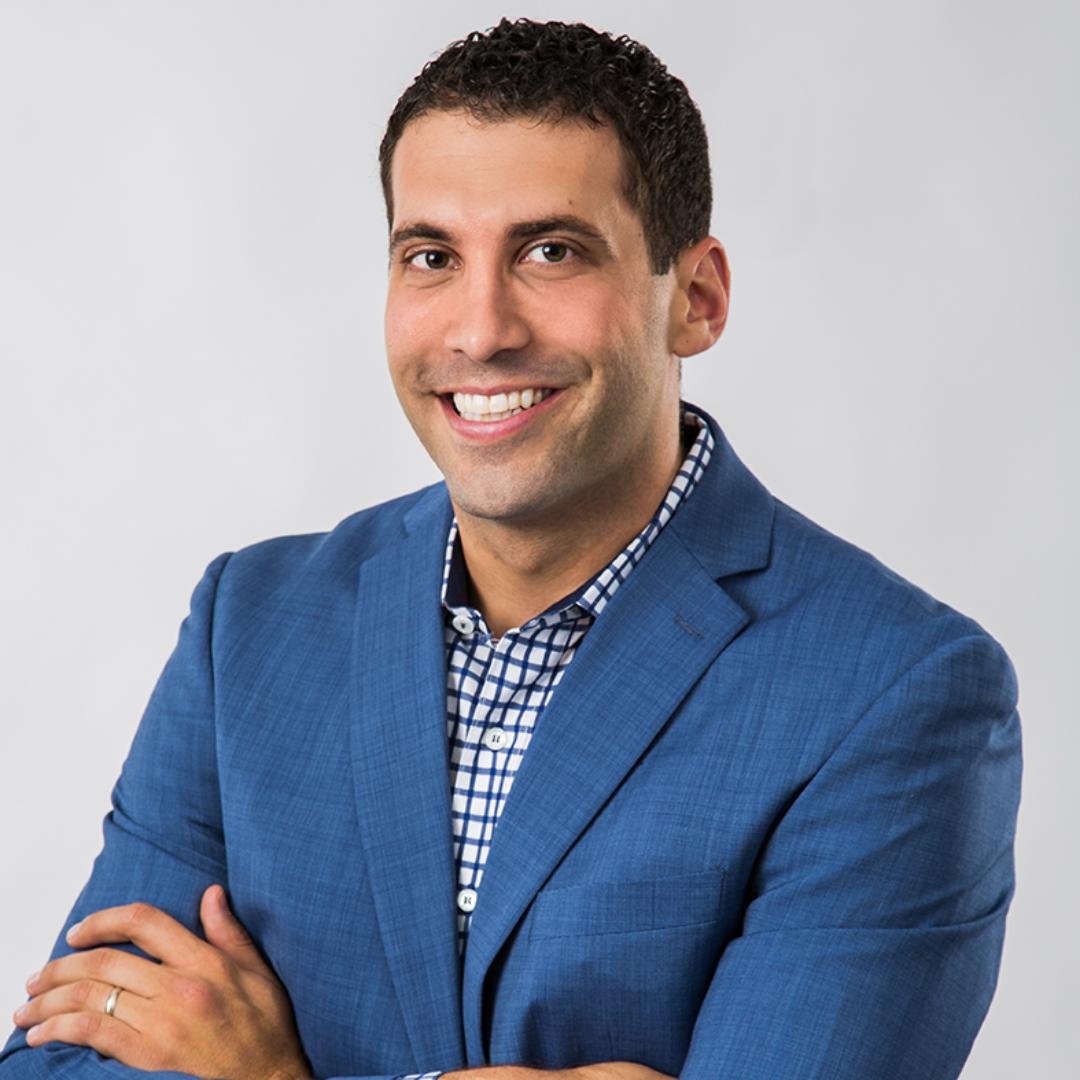
Matt's Story: Matt Granados is a two-time #1 international bestselling author. His latest book is Motivate the Unmotivated: A Proven System for Sustainable Motivation. He is the founder and CEO of Life Pulse Inc., where he helps organizations fix people problems by solving process problems, once and for all. His Life Pulse Methodology equips leaders and teams to achieve Optimal Performance—the highest sustainable output aligned with human potential. Matt first validated this approach by transforming a Craigslist-hired crew into a $40 million sales team. Since then, companies like Google, Twitter, and the U.S. Air Force have used his system to reduce burnout, increase retention, and engineer culture
Follow The Remarkable Leadership Podcast


This Episode is brought to you by...
Flexible Leadership is every leader’s guide to greater success in a world of increasing complexity and chaos.
Book Recommendations
Like this?
Join Our Community
If you want to view our live podcast episodes, hear about new releases, or chat with others who enjoy this podcast join one of our communities below.
Leave a Review
If you liked this conversation, weâd be thrilled if youâd let others know by leaving a review on Apple Podcasts. Hereâs a quick guide for posting a review.
