Why do so many organizational change efforts fall short, even when leaders know change is necessary? In this episode, Kevin talks with Kristy Ellmer about how change actually works and why successful transformation requires more than a plan, a process, or a compelling business case. Kristy explains that leaders often confuse alignment with true agreement, and that real progress begins when teams are willing to slow down, surface disagreement, and clarify how the change will happen. She also shares that involvement alone is not enough; people need agency and ownership to commit to building something new. Kevin and Kristy discuss the role of rituals, stories, and symbols in reducing cognitive load and helping people connect emotionally with the change, as well as why leaders must “earn the take-up” rather than assume people will adopt new behaviors simply because the change makes sense.
Listen For
00:00 Why Most Organizational Change Efforts Fail
02:49 Why Kristy Ellmer Wrote “How Change Really Works”
05:29 Why Organizations Aren’t Getting Better at Change
06:17 Understanding “Change Distance”
07:15 The Most Common Change Leadership Mistake
08:58 Why Leaders Should Encourage Disagreement
12:28 Moving from Employee Involvement to Ownership
15:52 How Rituals Reduce Cognitive Load During Change
18:48 Using Stories and Symbols to Reinforce Change
21:47 Why Leaders Must Earn Employee Adoption
24:24 How to Stay Persistent Through Transformation
27:41 Successful Change Starts with the Leader
28:53 What Kristy Is Reading
29:16 Where to Learn More
29:48 The Most Important Question: Now What?
00:00:08:12 - 00:00:37:03
Kevin Eikenberry
Change happens all the time in organizations, and yet the vast majority of change efforts fail on one or several dimensions. Why is that true? After all of the years of study and so much being written about change, it is one of the biggest questions organizations and leaders face and we are attacking it. Yes, we're attacking it today. Today we will help you see how change really works and how you can make it work better in your organizations.
00:00:37:05 - 00:01:05:13
Kevin Eikenberry
Welcome to another episode of the Remarkable Leadership Podcast, where we are helping organizations and their leaders grow and lead more effectively, make a bigger difference across their teams, organizations, communities in the world. If you are listening today, you can join us in the future for episodes on your favorite social platform, live! You can find out when future episodes are happening and therefore interact with us and get this information sooner by joining our Facebook or LinkedIn groups.
00:01:05:13 - 00:01:27:18
Kevin Eikenberry
Two of the platforms where these live stream just go to a remarkable podcast.com/facebook or remarkable podcast.com/linkedin to get all the inside scoop. Keep get updates and know exactly when I'll be going live. If you like what you're hearing today and want help in developing the leaders in your organization, we should talk. Reach out to info at com and I can Broadcom.
00:01:27:18 - 00:01:50:10
Kevin Eikenberry
And we'll schedule time to learn more about your needs and share how we might be able to help. And with that I'm going to bring in my guest and I'm going to introduce her. And then we're going to dive in. Her name is Christy Elmer. She is a managing director and senior partner at BCG, and a former chief transformation officer with decades of experience leading multiyear transformations inside global organizations.
00:01:50:11 - 00:02:26:19
Kevin Eikenberry
She leads BCG Transformation Practice and co-founded its Behavioral Science Lab and specializes in translating academic research on human behavior into practical change and transformation programs that deliver sustained results. Her. She completed the 29 zero 29 Ever Resting Challenge, which is this? She climbed the vertical height of Mount Everest 19 times in under 36 hours, and took months of disciplined training, which embodies the same change principles she applies today, and that we'll talk about some today as well.
00:02:26:19 - 00:02:46:09
Kevin Eikenberry
Her Ted talk on navigating change with confidence has been seen by over half a million people. She has spoken at companies including Kroger, Valley Bank, whirlpool, J.Crew and many more. She has an MBA from Mercer and a BA from Roanoke College. And today Christy is my guest. I'm so glad you're here, Christy. Thanks for being here.
00:02:46:11 - 00:02:49:21
Kristy Ellmer
Thank you. Kevin. Excited to be here and join the conversation.
00:02:49:23 - 00:03:09:19
Kevin Eikenberry
So we're going to talk about change, but we should probably start with the book, which as of this moment, yes. When you and I are having this conversation on the 27th of May, it's a bestseller. And it has it's been out a week and so on the bestseller list with USA today. Congratulations on that. So why did you write the book?
00:03:09:21 - 00:03:28:14
Kristy Ellmer
You know, I have been doing change, you know, in my career for 20 something years at this point. And my first experience with change was a Delta Airlines during their bankruptcy. I started just there as an employee, and it was one of the most iconic transformations that's ever existed in terms of where they started with bankruptcy and where they are today.
00:03:28:16 - 00:03:48:01
Kristy Ellmer
And so for five years, I was there and navigating the bankruptcy and then working on the merger with northwest, and they did such a good job with change. It really built a different foundation for me of what I thought was possible in my career and in my personal life. And I just got a real taste for like, I want to do these big things and I want to help other people do them as well.
00:03:48:03 - 00:04:08:08
Kristy Ellmer
So I continued to do that through my career. And, you know, I've walked into so many places now where the changes are just not going well and the experience is not great. And you've got so many people who are not getting to the outcomes. And because I've seen and I've personally experienced how great it can be, I really want to figure out how we can change these odds.
00:04:08:08 - 00:04:25:14
Kristy Ellmer
And, you know, when I was in the chief transformation officer role multiple times, I kept getting and looking for new and doing new sources of data to say, how do we get better at this? And I found them in many different academic papers, and I found them in different research and in a lot of the personal development space.
00:04:25:14 - 00:05:00:00
Kristy Ellmer
But it hadn't been translated to sort of, you know, the the organizational way that we thought about change. And for an executive, if you're trying to run the business and change the business at the same time, you don't have the mental capacity to go find these things. And so I just felt that there had to be a better way and that we could pull in all of these insights from all these different sources and put it in one place to make it easier for an executive leading change or frankly, anybody leading change to say I understand the principles of how humans change and then how to go apply them.
00:05:00:02 - 00:05:29:12
Kevin Eikenberry
And which leads to the book seven Science Based Principles for Transforming Your Organization. That's the subtitle. We're going to get into some of that. But if we've been I mean, this isn't the first book that's been written about change. Not even close. And as long as I've been, in this area of perfection, which is longer than you, Christy, I'll just say, and that is that there are books written about this every year, and the challenges that we have, repeat every year.
00:05:29:16 - 00:05:39:12
Kevin Eikenberry
And the percentage of change efforts that don't succeed stays about the same. So why aren't we getting better?
00:05:39:14 - 00:05:55:19
Kristy Ellmer
Yeah, it's, it's one of those things that is frustrating. But at the same time, I'm more hopeful about, particularly after writing the book. And I think, you know, as you look in and I think it's even goes back to started to being tracked around the 1960s, and it really has not changed. The numbers go between 70 and 80%.
00:05:55:21 - 00:06:17:02
Kristy Ellmer
Our most recent research shows that it's at 75% for the last 20 years. And you know, when I looked at this and we spent time with my coauthors, we realized there were a lot of the same mistakes being made. And some of it was just a lack of understanding of what humans really need to change. And if we could put that in a way that made it easier for people, you might get to better outcomes.
00:06:17:07 - 00:06:38:22
Kristy Ellmer
And so it really comes down to this idea of not fully understanding what people need to change. One of the key findings in the book that we started with, though, is something called change distance. And I think we inherently sort of understand this, but I think the real data behind it isn't well known. And the reason this is important is we think about starting a transformation or a change.
00:06:38:23 - 00:06:47:07
Kristy Ellmer
You're really starting in a different place depending on where you are. And so as we think about not changing those odds, we're in a really different place.
00:06:47:09 - 00:07:05:16
Kevin Eikenberry
Yeah. So what would you say. And I want to I really want to spend our time. We there are two parts to the book and the second half. The book is like an actual game plan. But I actually want to spend time on the first part of the book. Some of these, some of the, some of this research that you've, that you've, described that you've highlighted.
00:07:05:18 - 00:07:15:12
Kevin Eikenberry
That's where I want to spend our time today. But before we get there, I'm curious, what are the most common and repeated mistakes that you see?
00:07:15:14 - 00:07:43:13
Kristy Ellmer
Yeah. The first is really around not getting true agreement upfront. And we'll talk about that as a principle, but a real deep understanding on why we're changing what needs to change, but most importantly, how we're going to do it. And the idea of do we have real agreement on the most leader, like the leadership team that's actually going to lead the change, whether that's in, you know, you're putting in a new tool or you're leading an end to end transformation, you really have to think about that agreement piece.
00:07:43:13 - 00:08:05:18
Kristy Ellmer
And what we have found is there are so many times where teams think they're aligned and they're nodding their heads, but as they get to the actual work and the detail, they weren't in agreement at all. And so what happens is you get this mathematics of misalignment. And I think that is one of the biggest eye opening pieces is how much, as you're going through a big change agreement really matters.
00:08:05:18 - 00:08:07:09
Kristy Ellmer
And the focus on it.
00:08:07:11 - 00:08:23:12
Kevin Eikenberry
And it starts to diverge. It takes us back to thinking about Delta Airlines in a pilot. If they're only off by a little bit, it doesn't seem like much until they've gone 3000 miles. Then they're off by a lot. And that's when I and I it's one of the things I love about the book is this is this difference between alignment and agreement.
00:08:23:12 - 00:08:41:23
Kevin Eikenberry
I, I was thinking about many examples of times I've been in much like the ones you describe, where people say, we're in alignment, but when you started talking then about what the actual, actions they were going to take are, they were vastly different and unfortunately in some cases actually competing. Yeah. And I think that's a big thing for us to think about.
00:08:41:23 - 00:08:58:20
Kevin Eikenberry
The bigger our organization, the bigger that challenge. But a challenge regardless. What do we do to get past some of that. Like what's one thing? There's plenty in the book about this, but what's one thing people could do to to slow down enough to make sure they're getting better agreement?
00:08:58:22 - 00:09:22:13
Kristy Ellmer
Yeah, I think the first is actually forcing some disagreement. You know, I think so often we want to get to a place that we just want to get started, and we don't want to sit in the uncomfortable moment of we actually might disagree, particularly in a team that's feeling a time pressure. And so the idea being, can we sit down and actually list out everything we need to agree to and spend time actually discussing it and really having a debate around it?
00:09:22:14 - 00:09:38:21
Kristy Ellmer
You know, I think my, my coauthor, Julia Da, spends a lot of time thinking about debate and how to have better debate. And we we have frameworks in the book, but so often we're so worried about how do people think of us? Are we getting in traction, you know, and do I feel like I'm part of the team versus actually, no, really.
00:09:38:21 - 00:10:12:21
Kristy Ellmer
Disagreement is part of leading change and we should get really comfortable with that. And we should find better ways to have that disagreement. But when we sit down and actually say, are we going to go do a big change, let's actually spend time arguing the case against it. Let's actually argue pieces against it. You know, in terms of how we might operate so that we really understand, like, do we agree at a different level because we've actually heard the other perspective and we think it's really important for teams to dedicate real time to this and not feel as much pressure to move forward, because, again, part of the conversation we just had, it expands
00:10:12:21 - 00:10:25:11
Kristy Ellmer
in terms of the misaligned meant if you don't have that agreement upfront, so you actually cost yourself more time in the back end because you didn't get agreement and you thought you were moving faster, when in reality you're going to actually go a lot slower in execution.
00:10:25:13 - 00:10:48:19
Kevin Eikenberry
All of that. And the other thing that I kept thinking about as I was reading that section and listening to you now, is that all of that's true? And if as the instigators, as the initiators have change, if we've had that challenging conversation early, we are far better prepared for the resistance we get later, because some of that resistance is those exact are those exact same points.
00:10:48:21 - 00:11:07:16
Kevin Eikenberry
And so if we said, yep, we've thought about that and here's what we've thought about. And here's here's how we're working around that and all of that conversation, which feels a little adversarial up front, is going to feel even more so later on, when now you've invested time and effort and you're down the road. So I don't know if you're nodding like you agree.
00:11:07:16 - 00:11:28:04
Kristy Ellmer
With me there. I do, and I think, you know, as you go down the road, it actually gets more personal because it's like, oh, I thought we agreed. I thought we were lined up front and all of a sudden we're six months in and you're raising some issue and it feels like you're not alignment. Now, it feels like we're personally having a challenge versus we're conceptually having a discussion about how are we going to change, what do we need to do.
00:11:28:07 - 00:11:48:20
Kristy Ellmer
We're getting into the details where it's not personal at that point. And so you're exactly right. As it gets further in, you know, the conversation gets a lot harder and it gets a lot more personal and the stakes get a lot higher. And so it's much better to sort of sit up front in that discomfort and really spend time sort of hashing it out, and forcing yourselves to.
00:11:48:20 - 00:12:04:03
Kristy Ellmer
And I think even where you can't get full agreement because I hear this from some of the executive teams like Chrissy, I would love to have full agreement. I don't write some of the teams that we work with. 1 or 2 people are nodding, but I know they're not really on board. I think the thing becomes, what didn't you get agreement on?
00:12:04:03 - 00:12:20:08
Kristy Ellmer
And then how do you make sure through the process you keep coming back to that, you keep talking to those people, you keep coming back to it until you know you really have it. So if you are under time pressure, you need to move. You can move, recognize you're you're hurting your chances more like your odds of success go down.
00:12:20:10 - 00:12:28:10
Kristy Ellmer
But if that's a risk you have to take, how do you keep coming to principle one? To say, I need to get through agreement? What do I need to get it on and make sure you got a plan.
00:12:28:12 - 00:12:47:09
Kevin Eikenberry
In there to keep coming at it from different directions, which gets to your the fourth point of your process, which is persisting, through change, which, you know, we could spend a long time there, which most people don't do well enough. Part of the problem. But another thing, you know, everyone will say and agree. Well, we want people to be involved in the change.
00:12:47:10 - 00:13:05:00
Kevin Eikenberry
Everyone will agree with that. Conceptually, they don't all act on it. But you say involvement isn't even really enough. We need more than that. So talk about, involvement. I guess I'll say versus that's not what's on the screen, but involvement versus agency.
00:13:05:02 - 00:13:29:10
Kristy Ellmer
Yeah. You know, one of the really big findings in behavioral science over the last few years is this idea of people who are own what they build, actually sort of believe in it more. So there was something called a piece of work done by Michael Norton around the Ikea effect. And basically what they found is people who built Ikea furniture had a higher perceived value of that furniture than what it was really worth, even compared to like brand new furniture.
00:13:29:12 - 00:13:48:07
Kristy Ellmer
And so, you know, as my coauthor Julie likes to say, people don't don't burn down houses they've built. And so if they're actually building the transfer machine with you or the change program, the likelihood of their commitment to its success is much higher. And they're actually going to identify things that you might not see because they are so committed to the outcomes.
00:13:48:08 - 00:14:09:01
Kristy Ellmer
So what this means is how are you actually in a change or a transformation, breaking down the work in a way that more people can own it, more people can be a part of it. So we would still say, do surveys, do workshops. That's that's important. That's sort of seen as more of an involvement. You do want to do that, but how through that process do you give them ownership.
00:14:09:01 - 00:14:26:18
Kristy Ellmer
So if they're doing a workshop and there's, you know, a bunch of people in there, how do you assign the activities to them? So they actually come back and do some of that versus it's just input into a process that you're leading. And then yeah, so the idea of like, how do you actually give people more decision rights, how do you give them more activity where they can own it?
00:14:26:20 - 00:14:44:15
Kristy Ellmer
And then even things like, if you're designing the program, when do they want to have their weekly meeting, when do they want to, sort of give their updates? What does the reporting look like? The help them allow them to help design this because then they feel a little bit more accountable to it and like it's their program.
00:14:44:17 - 00:14:58:07
Kristy Ellmer
You know, some of the tactics I've done, even in naming a program crowdsource that let the whole company vote on what the name of the program is. Don't pick it from the leadership team like little things that make it ours, not the leadership team.
00:14:58:09 - 00:15:20:15
Kevin Eikenberry
I'm in the midst of doing that right now. And, and, you know, it's I could just decree what the name of this new product is going to be. It makes no sense for me to do that. If I want to make sure that we're all that, we feel like we all own it. And so, you know, and we as senior leaders, have to be recognize that perhaps it won't be the one we love.
00:15:20:17 - 00:15:38:18
Kevin Eikenberry
But ultimately, that's that's should be the least of our worries. One of the things you just hinted at this a little, and I'm going out of order because we may not get to all seven anyway. But you hinted at letting people figure out their cadence, let them figure out their rhythm, let them figure out when they're going to have their meetings.
00:15:39:00 - 00:15:52:05
Kevin Eikenberry
And those are decisions. And so one of the things that you talk about that, that I strongly agree with is the idea of rituals. So let's talk about rituals and reactions.
00:15:52:07 - 00:16:10:10
Kristy Ellmer
A little bit. Yeah. I think, you know, one of the things that was very clear is in terms of giving people a more cognitive load. So the brain is sort of looking for I want things that I understand and I expect to happen. Right. It's like, think about if you're driving home today, you take a different way. Your brain has to work a little bit harder versus the way that you would typically think.
00:16:10:12 - 00:16:30:23
Kristy Ellmer
So how do you create a process and a system that sort of designed with what we would call rituals and, and not focus on the reactions, meaning you're creating a system that has weekly, monthly, you know, quarterly, annual sort of rhythms to the business that have rituals in them. So people know what to expect, how, what, what good looks like.
00:16:30:23 - 00:16:47:19
Kristy Ellmer
And they really become clear that this is sort of the different. So even in some of the meetings, can you create an occasion to them? So it actually feels much more like a ritual. So, you know, I show up the first five minutes of the meeting is talking about something positive that happened, for a team member. So you're celebrating, right?
00:16:47:19 - 00:17:06:14
Kristy Ellmer
You might actually give something called the team story, which is another thing that we talk about of why am I personally committed? And that becomes the ritual of the meeting. Every meeting, those things happen and people know what to expect, and then they go into sort of the updates and the process side, but it becomes something where they're not wasting their cognitive load because they understand the rituals.
00:17:06:19 - 00:17:23:11
Kristy Ellmer
You see this a lot, and we looked at this even in the end, the religious space. Right. Like they have a lot of rituals and people know what to expect. And they're able to just focus on where they're internally thinking at the time. And that's what you want, right? You want people to be focused on the work, not sort of the meeting in the process.
00:17:23:11 - 00:17:49:00
Kristy Ellmer
And so creating those rituals is really important. And what we found is a lot of leaders, particularly once those things are in place, kind of get a little bored with them, like the leadership teams will sort of say like, do we need all of this? Right. And the argument we were just you mentioned on the persistence of no, actually, that's creating the ability to have more cognitive load and speed because people aren't wasting time thinking about, oh, this happened in the business.
00:17:49:00 - 00:17:59:13
Kristy Ellmer
Now we need to go start a meeting or now we need to have this that's already in place. And you can just focus on the problem solving versus the actual process in which to solve the problem.
00:17:59:15 - 00:18:23:04
Kevin Eikenberry
It's the classic, tech executive who wears the same clothes every day. Some would say, why does Kevin always have on a blue shirt like this when he's on video? Well, it's kind of that, it's in part that and but then you're not making decisions about those things. And so the as you said, the cognitive load goes down and like, we can all agree, that cognitive load is high and higher than ever.
00:18:23:04 - 00:18:48:08
Kevin Eikenberry
And if we're in a transformational change effort, it's even higher. And so I think anything we can do here is a really important piece. You mentioned story. So let's talk about that so often that the change conversation ends up being about revenue. It ends about some ends up about some sort of number of some sort. And yet we are I think we all again, we all know that's not enough.
00:18:48:10 - 00:18:55:04
Kevin Eikenberry
But tell us a little bit more about how we can use story and symbols more to help tell and reinforce our change story.
00:18:55:06 - 00:19:22:21
Kristy Ellmer
Yeah. This one is interesting because the idea of the power of stories and symbols was, as we looked at different research, and this goes back, you know, hundreds of thousands of years and human millennia of we like stories. Our brains remember stories better than it does facts and figures. And so what we found is the transformations that were failing spent a ton of time talking about what is the total shareholder return, what's the stock price going to do?
00:19:22:21 - 00:19:41:02
Kristy Ellmer
What are the sort of Ebit and numbers we need to hit? And that's all really important. But that is actually not as grounding for a human as it is the story of what is the from to of this transformation at the end of this transformation, here is what the company will look like. Here is what our team will get when that happens, right?
00:19:41:02 - 00:20:09:08
Kristy Ellmer
How we will operate, how we will feel differently, what our customer will feel, what products they might have. Those kinds of stories actually stick with people and they can relate more, which means as they're thinking about their work, they're thinking about, okay, that's the change. We're driving now. You obviously want some of those facts and figures, but if it's only on that you're losing the opportunity to sort of anchor in people's motivations and thinking on what they sort of are willing to do to drive the change.
00:20:09:08 - 00:20:29:04
Kristy Ellmer
And, you know, one thing that we also found is people really enjoy symbols. And so this idea of, you know, and you've seen this and, and awards or, you know, sort of funny things that companies do, they've done more of it in a change because people really like those symbols. And they can be everything from a big incentive.
00:20:29:06 - 00:20:47:01
Kristy Ellmer
You know, when you do, well, come out and actually give a hand a check to people. So it actually feels like something more than just showing up in their bank account. It can be things like, you know, giving somebody award at the end of the week. That's a silly award for just operating in a new way, all the way to, you know, in the to tie it to disagreement.
00:20:47:01 - 00:21:04:03
Kristy Ellmer
What we've seen in some companies is where they're having disagreement and they're having a hard time. They will take a stuffed elephant and put it in the room physically and say, we're this is, you know, we're now going to have a disagreement. And it's a symbol that, okay, we're having a safer conversation. That's a disagreement now. And I feel like I can speak up more.
00:21:04:03 - 00:21:13:19
Kristy Ellmer
So those kinds of symbols, well, sometimes cheesy, it actually triggers different parts of the brain to think differently. And act differently. And that's exactly what we're trying to do.
00:21:13:21 - 00:21:30:03
Kevin Eikenberry
100% environment matters a lot. And how we how we connect people to that matters a lot. One of the things that you talk about in the book is something that that, that I've long said to people is that as a leader, as you're as you're in the midst of the change, you've had longer to think about it.
00:21:30:07 - 00:21:47:00
Kevin Eikenberry
You've created more ownership of it. You have a deeper understanding of it. So you sort of think, well, why doesn't everyone see what I see? And we just presume that people will take up, the people will commit, people will take action, and you say, we have to earn the take up. What do you mean by that?
00:21:47:01 - 00:22:03:20
Kristy Ellmer
Yeah. This is what we call that. If you build it, they don't always come. One because in Field of Dreams they said, you know, if you build it, they will come. And the reality is the research shows that's not always true, even in examples where you are personally incentivized to sort of take up on an action.
00:22:03:20 - 00:22:20:07
Kristy Ellmer
So, you know, it's an incentive that's put in place. You might have, you know, access to benefits or something like that. But if it isn't easy or you don't have the capability or you don't understand, or it might be in, you know, in conflict with sort of a value you might have, you won't necessarily take it up.
00:22:20:09 - 00:22:38:20
Kristy Ellmer
And so I think historically, as leaders, we've always thought, okay, well people will act in their best interest. The research shows. Yes, mostly. But if it's not easy to do or it's a completely new skill or it's something again, that they're not, they don't really believe in, they want to do it no matter how good it is for them.
00:22:38:20 - 00:22:57:07
Kristy Ellmer
And so what we found is the leadership of a change. No matter where you are, your role is think about it's actually my responsibility to make sure they take up this change. And so the idea being rather than, you know, and we see this if you want a new tool, put it in a tool. We gave people skills.
00:22:57:07 - 00:23:12:00
Kristy Ellmer
We trained them, we gave them the tool. It should be easier for them to do their work and then we're really upset when we don't see the adoption. We have to see it as if we're in terms of the change. The adoption number is owned by us, like we actually own that, and we can't point down to the team and say, why are you using it?
00:23:12:00 - 00:23:33:02
Kristy Ellmer
We have to be curious to understand and really understand. Is it a skill challenge? Is it a will challenge? Is it a you know, I don't necessarily believe in this. And if we don't do that, you're really not going to get what you want anyway. And so that idea of actually we need to take a plan in our change of how are we going to get people to take up and how are we going to get them continue to buy in.
00:23:33:04 - 00:23:53:09
Kristy Ellmer
You know, one of the mindsets that we talked about, and I think one of the early versions of this book was called The Customers of Change, being the idea of how much research and money and time you put into your external customers when you want them to change a behavior by a new product, change a service. If they aren't doing it, you don't point to them and say something's wrong with them.
00:23:53:14 - 00:24:11:21
Kristy Ellmer
You go figure out what you need to do differently. And our concept was basically in this idea of take up that you need to see the people that are asked to change differently in the organization do something differently as customers of your change. So if you thought, I'm selling a change product, I'm selling a transformation, whatever that is.
00:24:11:21 - 00:24:24:03
Kristy Ellmer
My job is to figure out how to get them onboard and keep them onboard. And that is really the idea of how do we build the take up plan that really factors in the capability, the opportunity and the motivation sets of people.
00:24:24:05 - 00:24:43:18
Kevin Eikenberry
We have to remember that change is always a choice, and our job as a leader is to help them, help them make the choice. And and that's all of the kinds of factors that we've been talking about throughout this conversation. There's so much more that we could talk about. Christy. I did I did hint at and we haven't even talked to everybody about all of the seven, principles.
00:24:43:20 - 00:25:05:21
Kevin Eikenberry
But I do want to spend a little bit more time on one of the pieces you talk about in the second half of the book, which is this persisting with change because in my experience and my observation, even in smaller organizations, even on teams, this is an area where leaders struggle like they think it should just happen.
00:25:06:02 - 00:25:20:00
Kevin Eikenberry
There's a bunch of reasons why we don't persist, but give us a couple of tangible things we can think about to help us stay resilient, persistent, around, change effort.
00:25:20:01 - 00:25:35:18
Kristy Ellmer
Yeah. It's a this is my probably one of my biggest pet peeves and change and some of the leadership teams I work with because particularly you might have kicked off the transformation or change. And it's really starting out well. And then you get to the middle of it and people start to look at, oh, we made a bunch of progress.
00:25:35:18 - 00:25:56:00
Kristy Ellmer
Maybe we can scale back. Maybe we don't need as much process. Maybe we don't need to keep, you know, surveying employees. And what happens is if you actually look at that moment in time and it's somewhere, if you're in a large transformation, somewhere between six months and a year, you really see the teams that lead up, actually, their transformations go completely sideways.
00:25:56:02 - 00:26:16:01
Kristy Ellmer
And the companies that actually lean into how do we actually lean into process and discipline at this point, actually have sort of that hockey stick? And it's one of those it's it's sort of this false effect where you're sort of thinking, okay, we're making really good progress. I can I can scale back. And if you think about any change, like I always think about it as like a weight loss journey, right?
00:26:16:01 - 00:26:35:12
Kristy Ellmer
You start making progress, you feel good. And like all of a sudden you don't go to the gym as much, or are you separating what you're going to eat? You immediately start sliding backwards. Right? And it's that idea of the discipline. And the consistency actually matters more and it creates that compounding effect. But when we're in it and we think we're making progress, we don't really want to do the discipline.
00:26:35:12 - 00:26:51:12
Kristy Ellmer
We don't want to do the sort of unsexy things. Right. And I talk about this with a lot of the leadership teams I work with is like, this is the boring part. It is the every week we go in, we meet with the teams, we see what's happening. We've solved the problems, and it's just the hard work of change.
00:26:51:12 - 00:27:12:07
Kristy Ellmer
And it's so easy for us to get learn, especially from the beginning. If we're successful to say, well, we don't need to do as much as that. And the reality is, actually, yes, you do. And you probably need to lean in more because the difference between the change in the first six months to nine months to the second half of a transformation or change, it's exponentially harder.
00:27:12:07 - 00:27:21:19
Kristy Ellmer
The work is actually harder. It's now actually sustaining the behaviors. And so if you're actually projecting the success of the first few months onto the second half, you're already going to fail.
00:27:21:21 - 00:27:41:01
Kevin Eikenberry
Yeah. Because yeah, because you're being overly optimistic if you would. So Christy, there's so much more. You and I could have a conversation about this broad topic for a much longer time. I know that, but if there was one more thing that you wanted to leave people with before we start to wrap up, what would that one more thing be?
00:27:41:03 - 00:28:01:05
Kristy Ellmer
I think for me, the most interesting part of all of this is any time you're leading a change and no matter where in the organization, you have to think about yourself first. And we talk about this in the very opening in the book, because this was really important to me. And so many times I've come in and started to change and everyone's pointing to everybody else, right?
00:28:01:06 - 00:28:24:20
Kristy Ellmer
Like they're they're wrong, they don't do this and they don't do that. And that really is if you really want to make a change and have different outcomes, you have to think about how you're going to lead differently, what's actually expected of you. And so I'm talking like CEO all the way down. If you're about to lead a change in anything, you need to spend some real time with yourself to say, how might I be showing up that isn't actually getting the outcomes that I want?
00:28:24:20 - 00:28:35:01
Kristy Ellmer
And how does not need to change and be different? Because if you're also going to go ask a bunch of people to do something different and change their behavior, you really need to demonstrate that you're doing it as well.
00:28:35:03 - 00:28:53:01
Kevin Eikenberry
My dad used to say that when you point your finger to someone, there are three fingers pointing back at you. It's a pretty good way to think. And I think it's directly connected to what you just said. Before we go, a question, Christie, that I've asked everyone, I believe almost everyone who's ever been on the show.
00:28:53:01 - 00:28:58:21
Kevin Eikenberry
And you were like the 548th person. What are you reading these days?
00:28:58:23 - 00:29:15:22
Kristy Ellmer
I just actually picked up the book The Meaning of Your Life by Arthur C Brooks. I am really into this thing right now, particularly in this age of how do we make sure people still have meaning and purpose, in their lives. And I had heard this was a really good once. I've started that just last week.
00:29:16:00 - 00:29:34:02
Kevin Eikenberry
Arthur Brooks, The Meaning of Your Life, we'll have that in the show. Notes will also have a link, of course, to, How Change Really Works, of which Christy Elmer is one of the coauthors. Where do you want to point people? How can they learn more? And get connected with you and that sort of thing? I'll hold the book up while you do that.
00:29:34:03 - 00:29:48:10
Kristy Ellmer
Okay, great. So I'm on LinkedIn is Christy Elmer on Instagram. And then we also have a website called How Change Really Works, where we're going to start adding more stuff around reading guides and templates and tools. So, that would be the best place to go.
00:29:48:12 - 00:30:12:20
Kevin Eikenberry
How change really works that calm everybody. So before we go, I'm finished asking questions of Christy. I have a question for you, my dear reader. Or excuse me, listener or viewer. Here's the question. Now what? It's fine to listen to our conversation is fine to even nod your head, about the things that you've seen or experienced yourself that agree with what Christy and I have said.
00:30:12:22 - 00:30:29:08
Kevin Eikenberry
None of that matters. The only thing that really matters is, what are you going to do now? What are you going to do different? What are you going to do in the midst of the change? You're in, or before you start the next change transformation project? How are you going to change what you do? What actions will you take as a result?
00:30:29:08 - 00:30:35:13
Kevin Eikenberry
That's really the only thing that matters. So, Christy, thanks so much for being here. It's a pleasure to have you.
00:30:35:15 - 00:30:38:03
Kristy Ellmer
Thank you. It's wonderful conversation.
00:30:38:05 - 00:30:58:07
Kevin Eikenberry
And everybody, if you agree that it was a wonderful conversation, make sure you tell somebody else to come and listen. Maybe your whole change team. And if you like this, you want to come next week. So wherever you're watching or listening, make sure you hit the subscribe button so you won't miss any other episodes of the Remarkable Leadership Podcast.
Meet Kristy
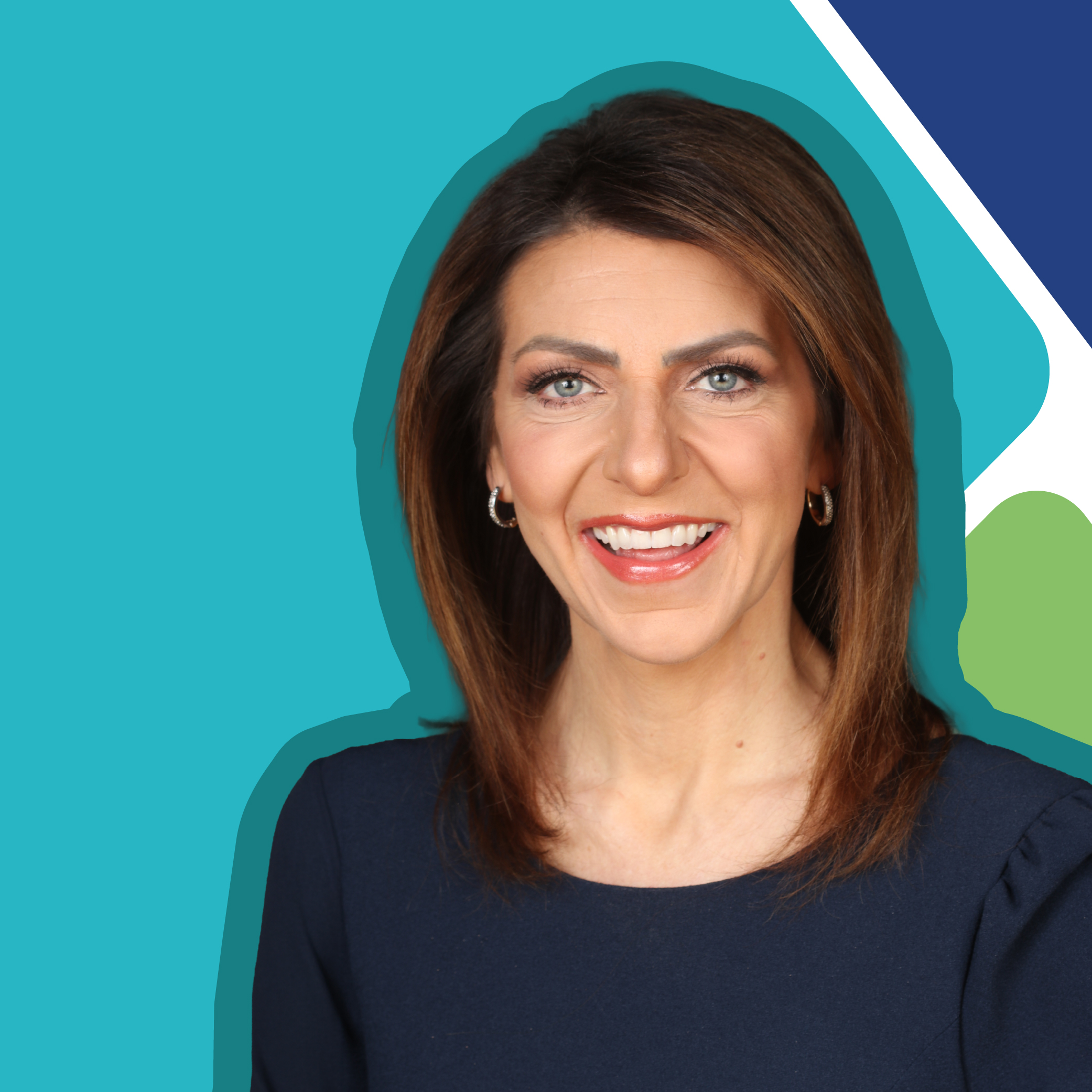
Kristy's Story: Kristy Ellmer is the co-author of How Change Really Works: Seven Science-Based Principles for Transforming Your Organization. She is a Managing Director and Senior Partner at BCG and a former Chief Transformation Officer, with decades of experience leading multiyear transformations inside global organizations. She leads BCG’s Transformation practice and co-founded BCG’s Behavioral Science Lab and specializes in translating academic research on human behavior into practical change and transformation programs that deliver sustained results. She has led over 30 transformations in 27 countries in 14 sectors from mining to retail and previously was a manager at Delta Airlines during one of the most exemplary transformations in business history. Kristy’s completion of the 29029 Everesting Challenge—climbing the vertical height of Mount Everest 19 times in under 36 hours after months of disciplined training—embodies the same change principles she applies professionally: sustained commitment, deliberate design, support systems, and faith in process over motivation. Her TED Talk on navigating change with confidence has been seen by over half a million people. She has an MBA from Mercer University and a B.A. from Roanoke College. She’s based in Boston.
Follow The Remarkable Leadership Podcast


Looking to Develop Stronger Leaders?
Want help developing the leaders in your organization? Reach out to explore how the Kevin Eikenberry Group can support your team.
Book Recommendations
Like this?
Join Our Community
If you want to view our live podcast episodes, hear about new releases, or chat with others who enjoy this podcast join one of our communities below.
Leave a Review
If you liked this conversation, we'd be thrilled if you'd let others know by leaving a review on Apple Podcasts. Here's a quick guide for posting a review.
